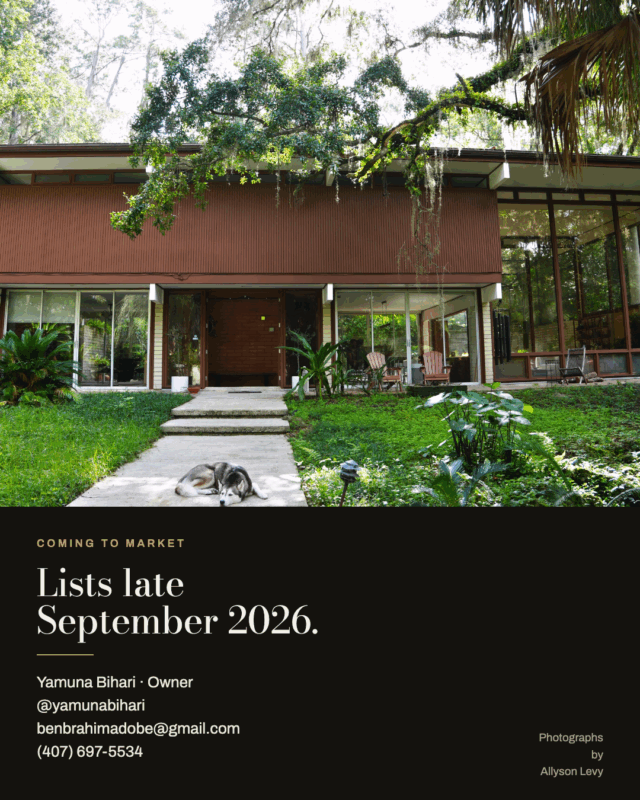
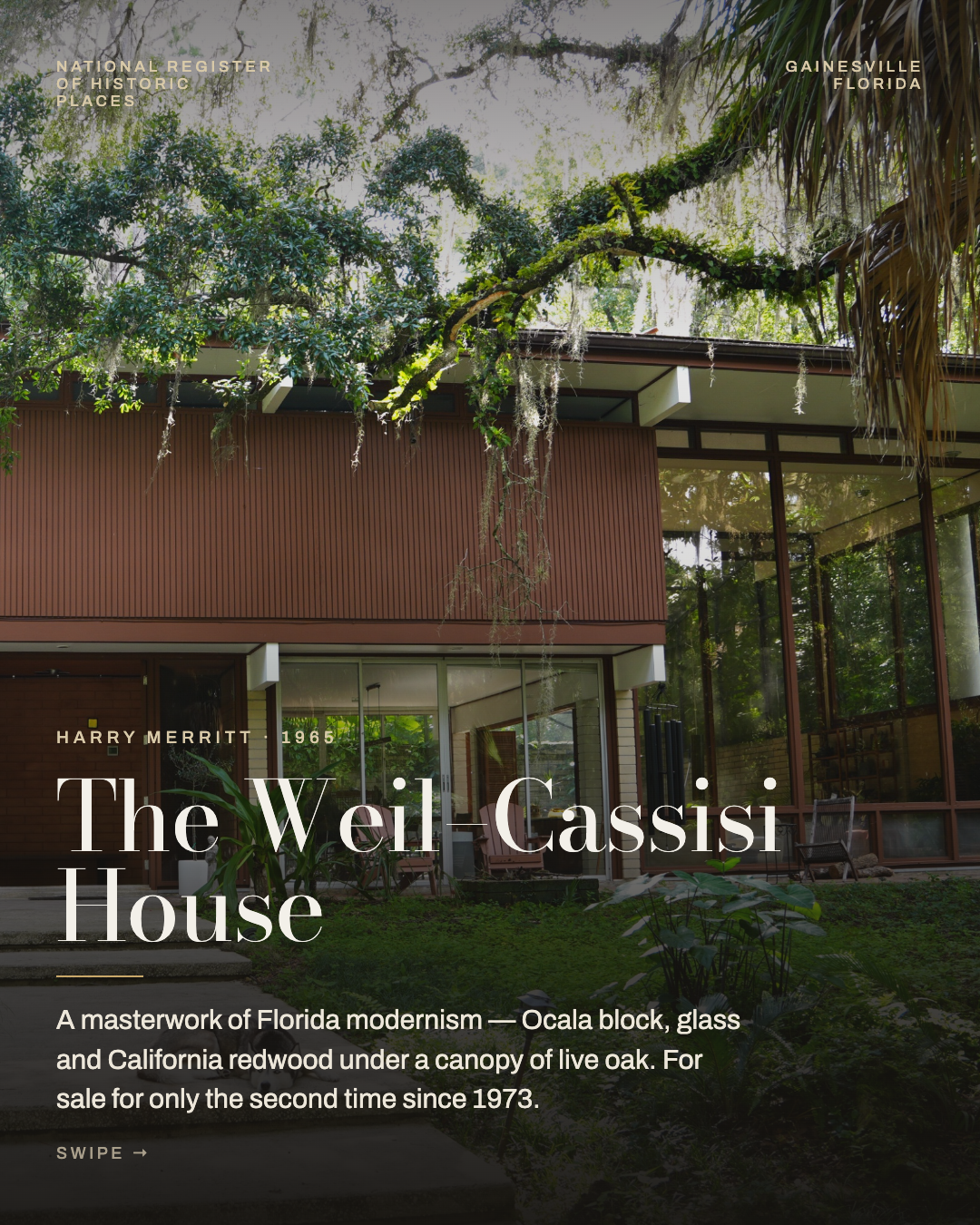
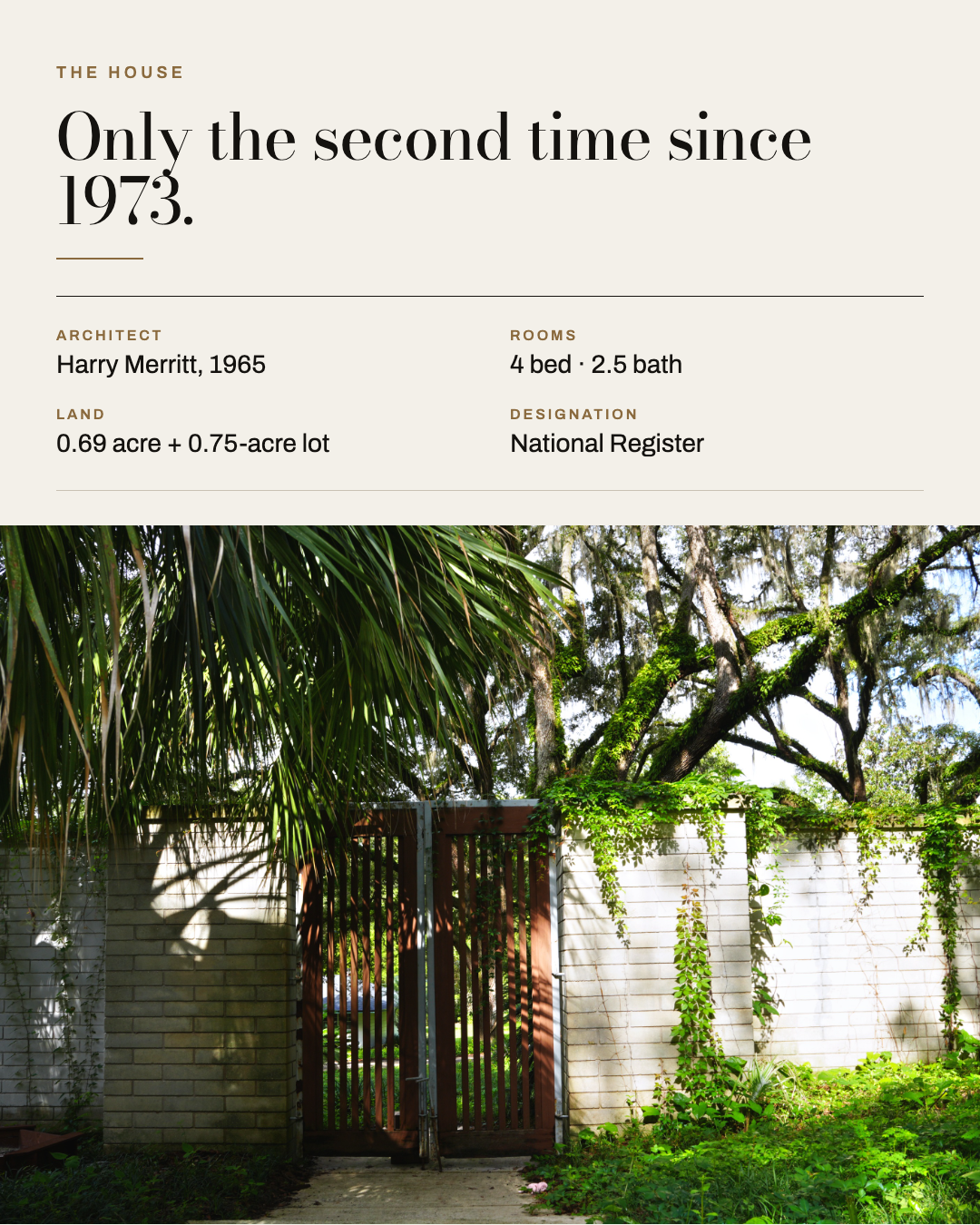
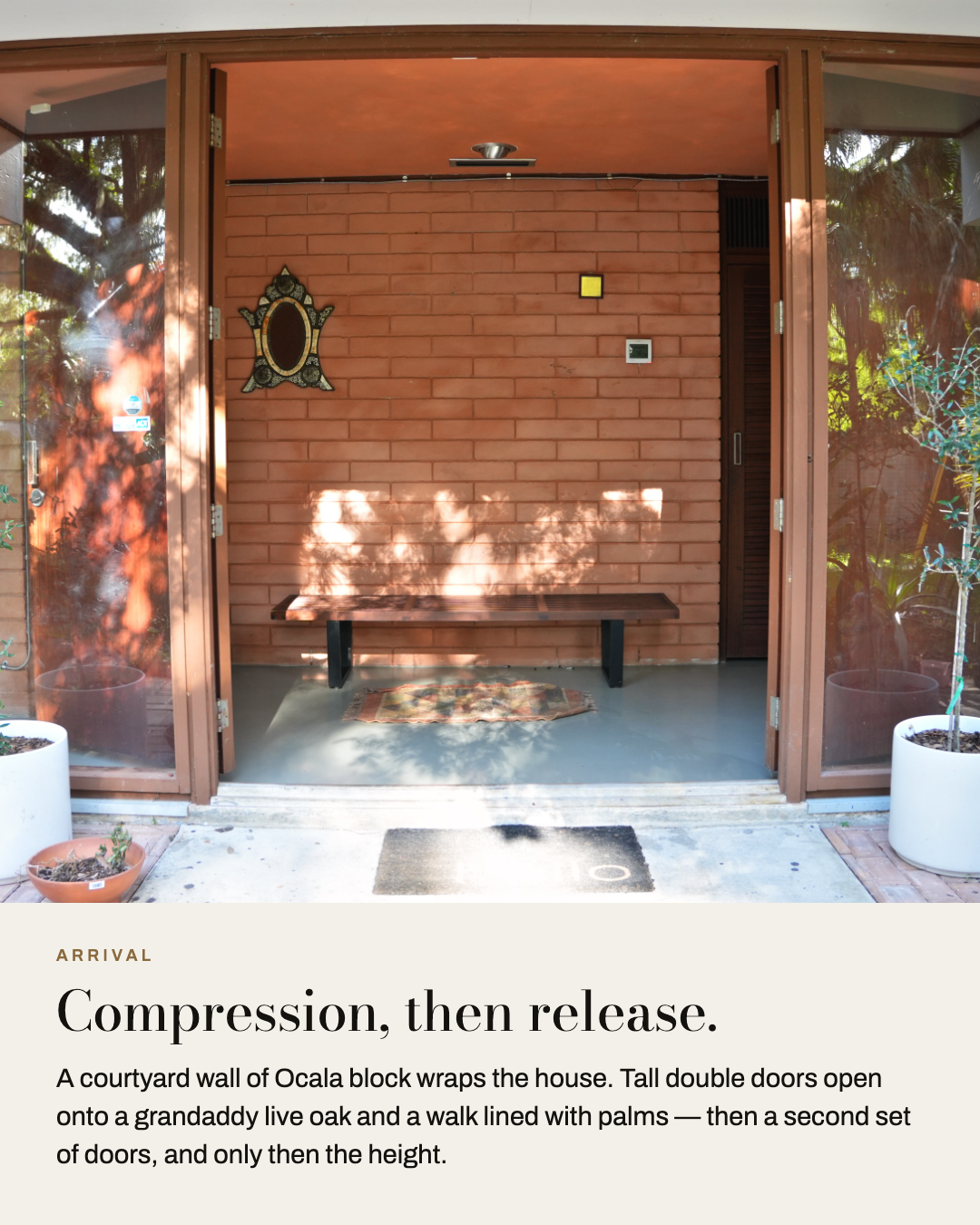
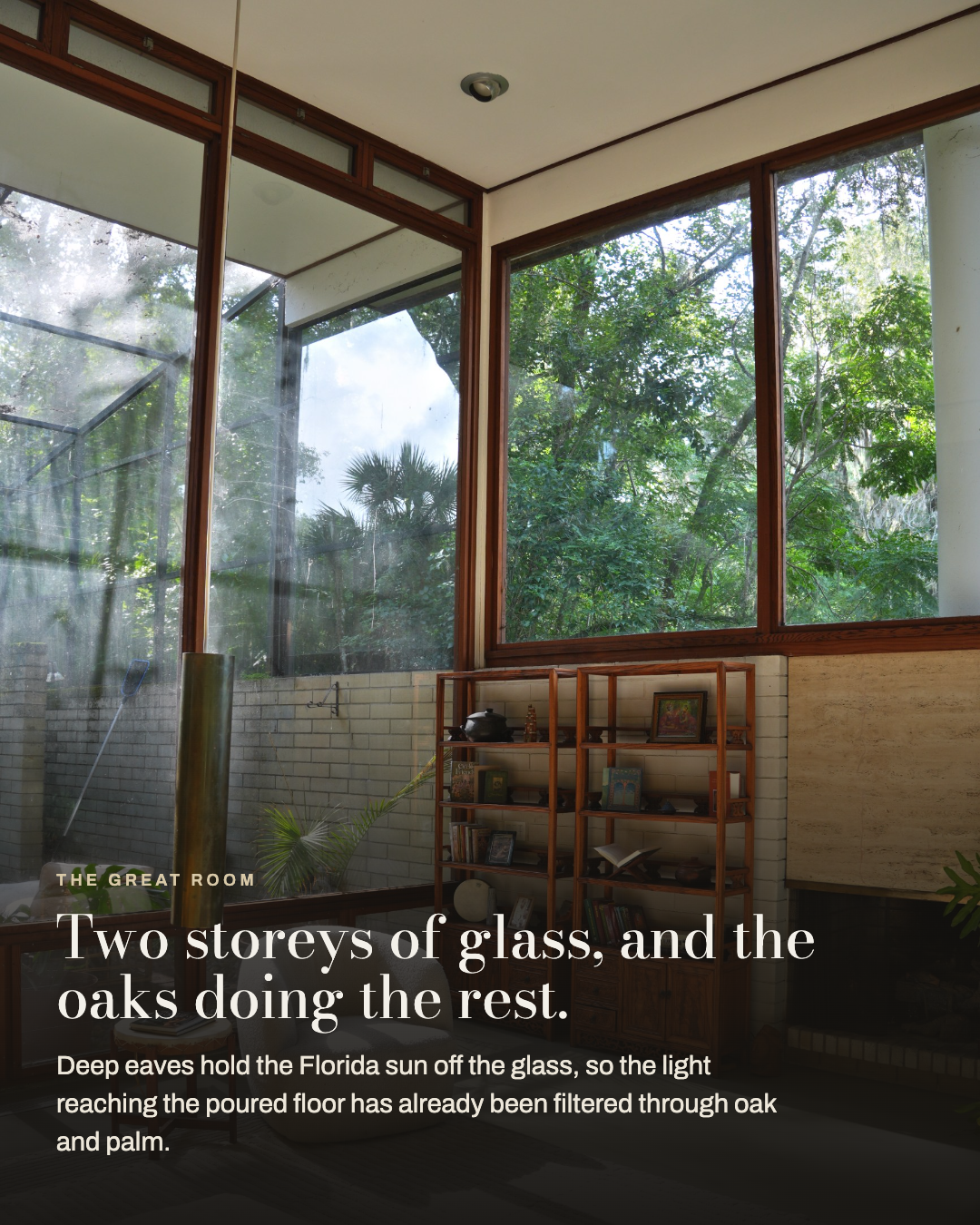
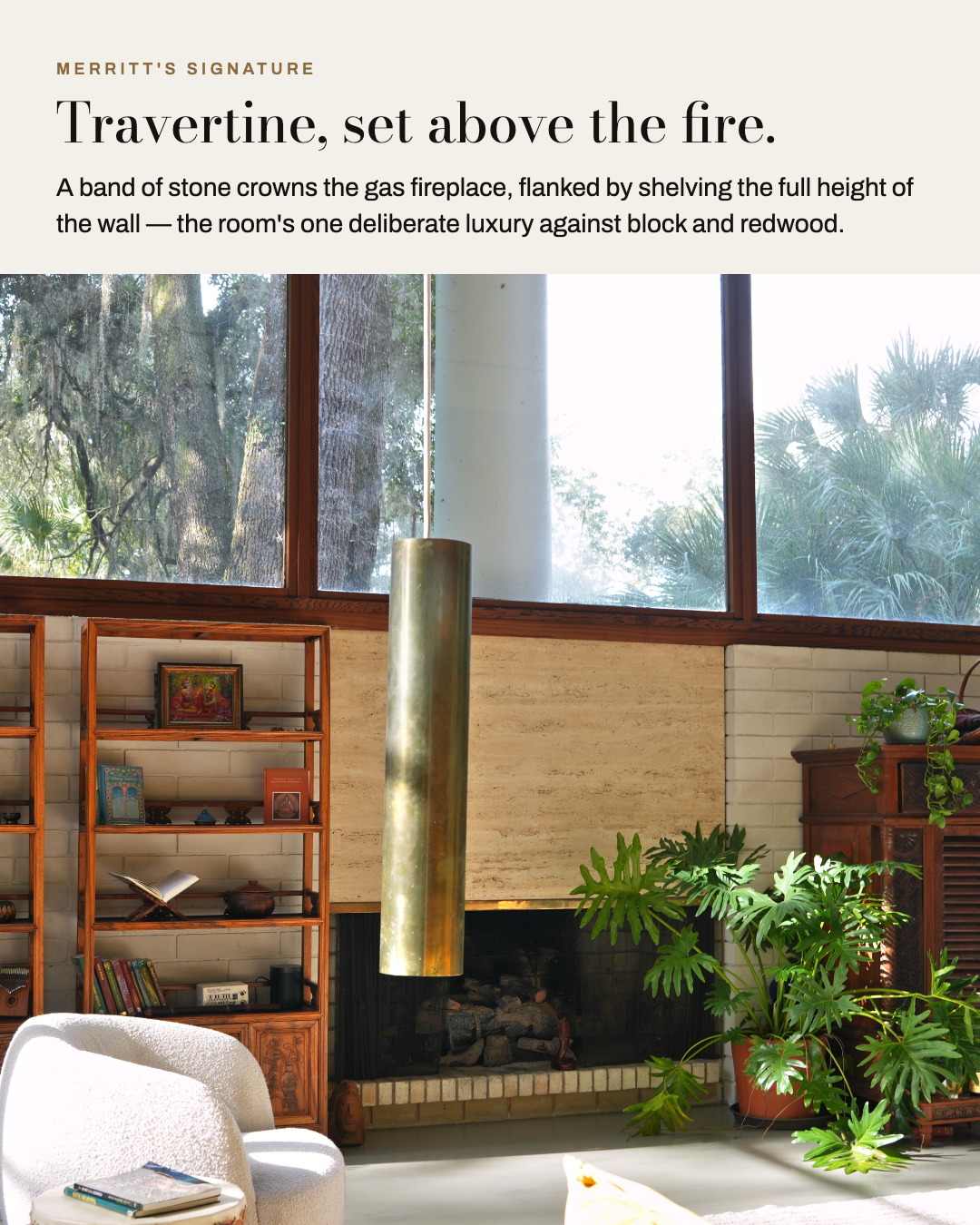
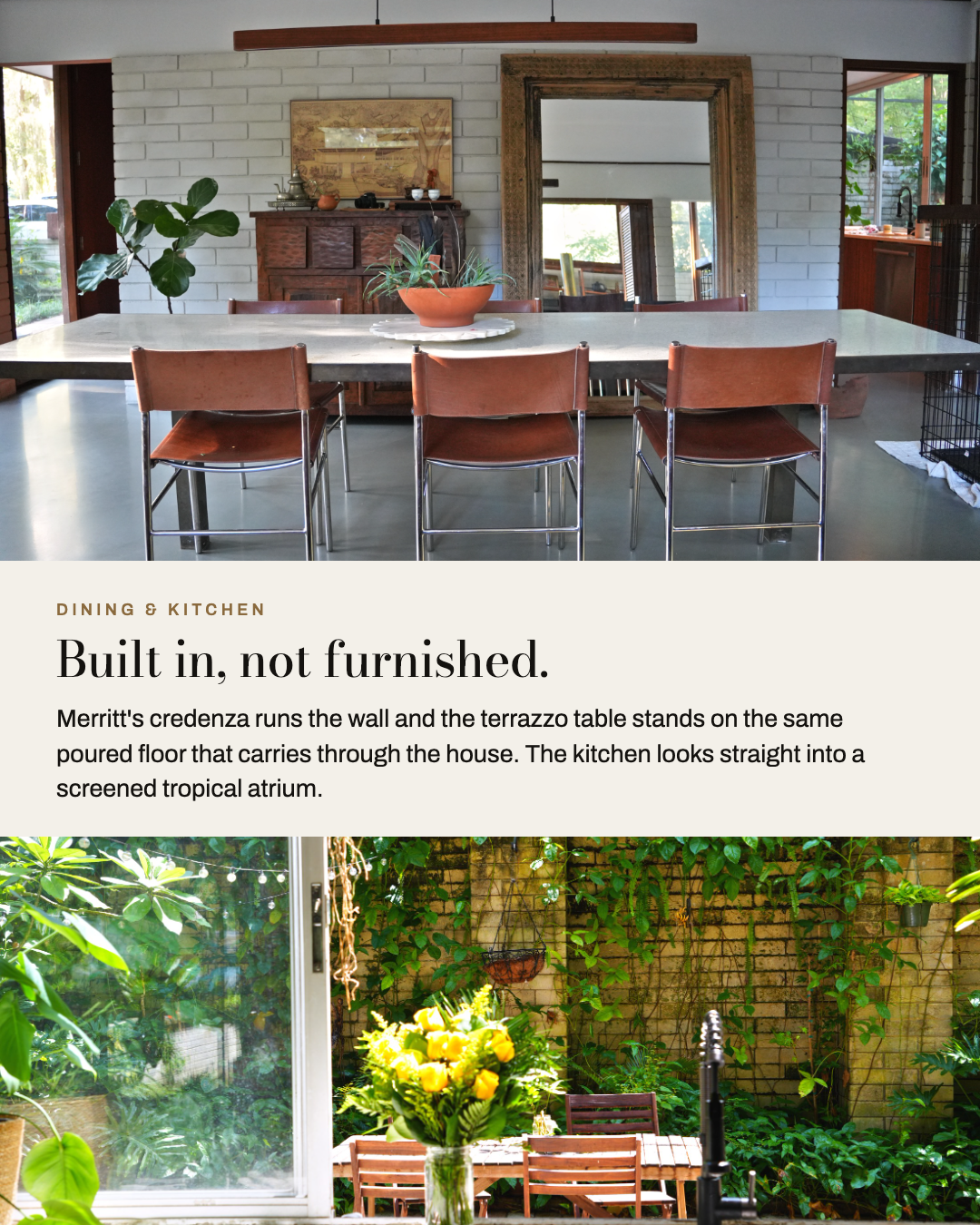
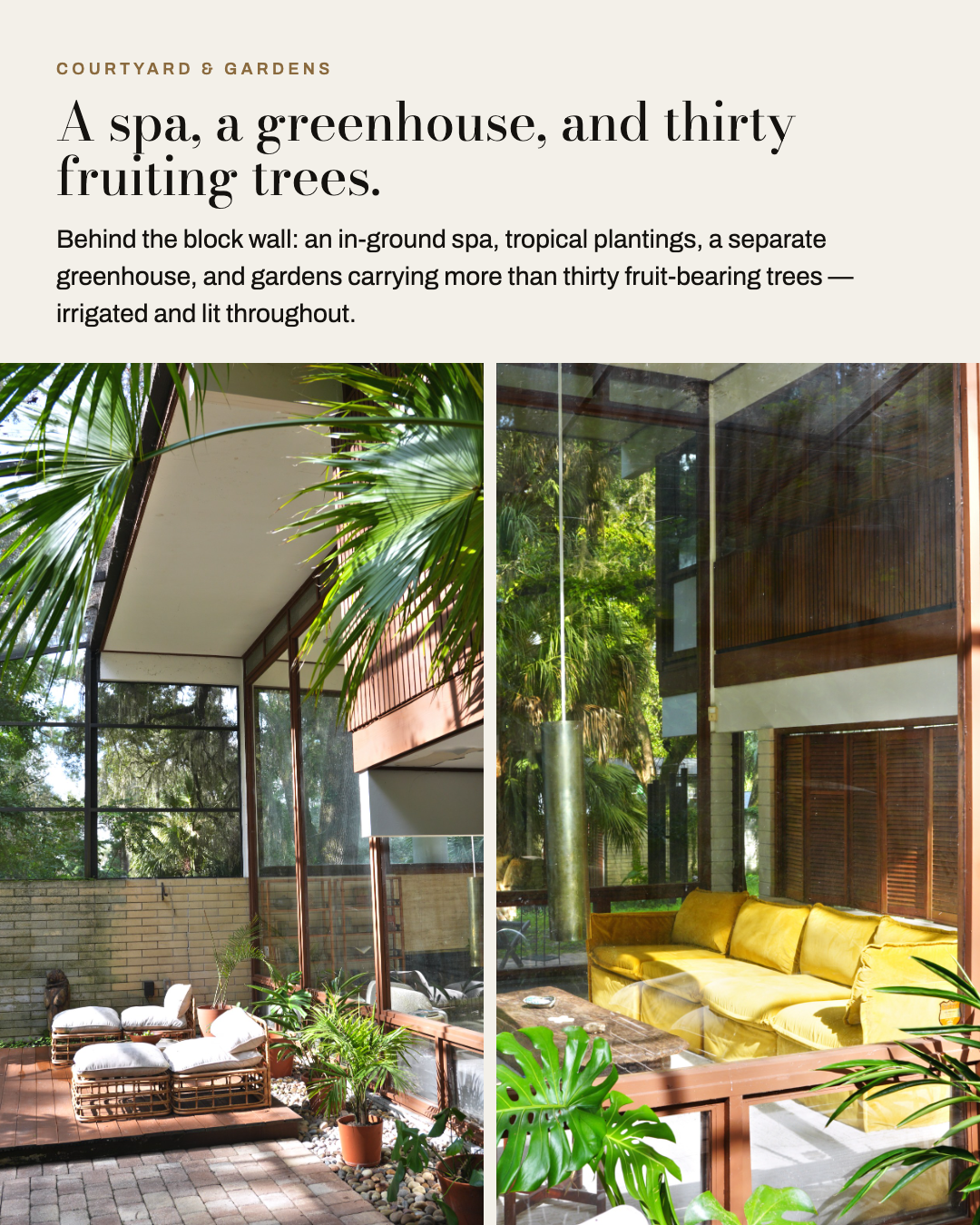
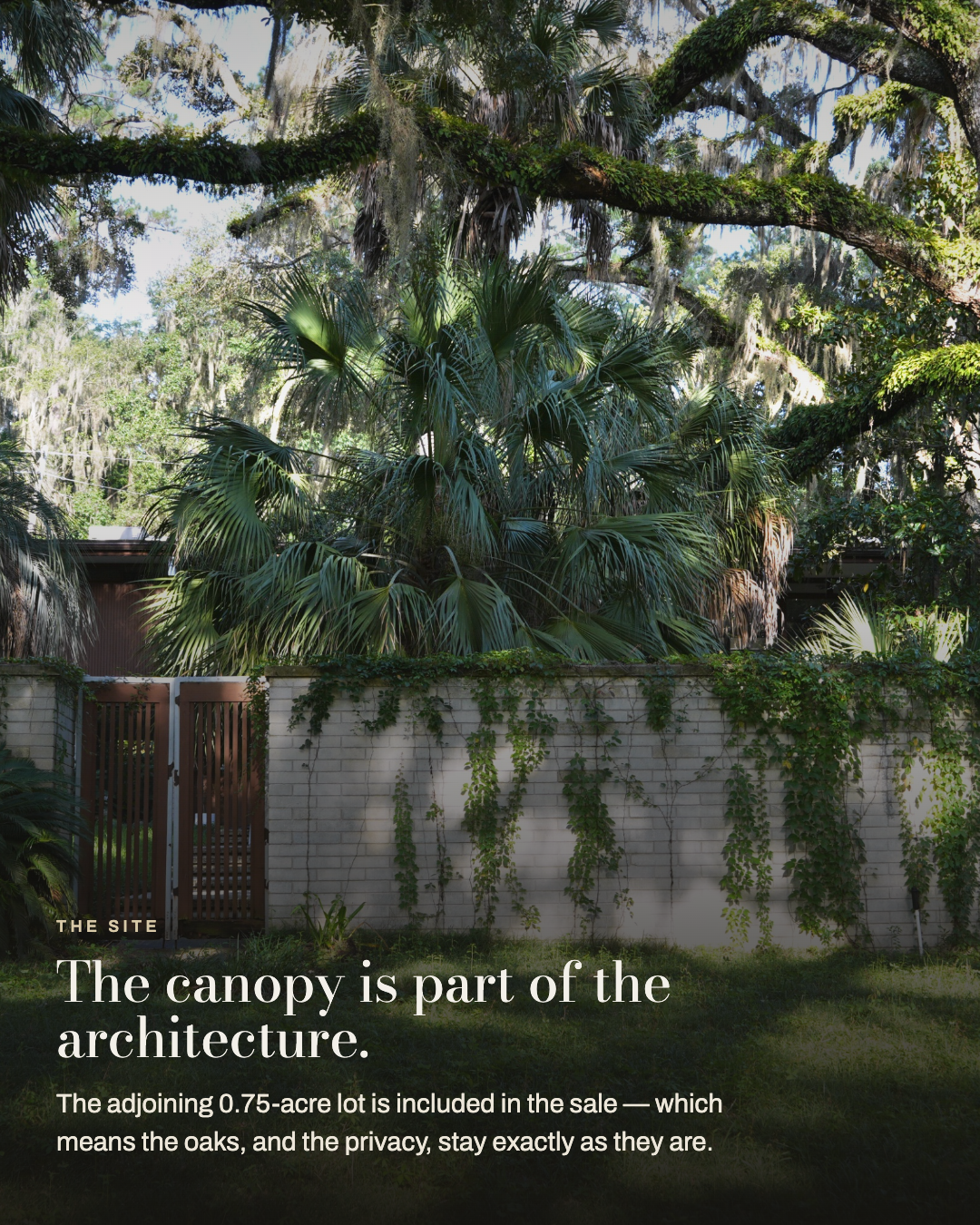
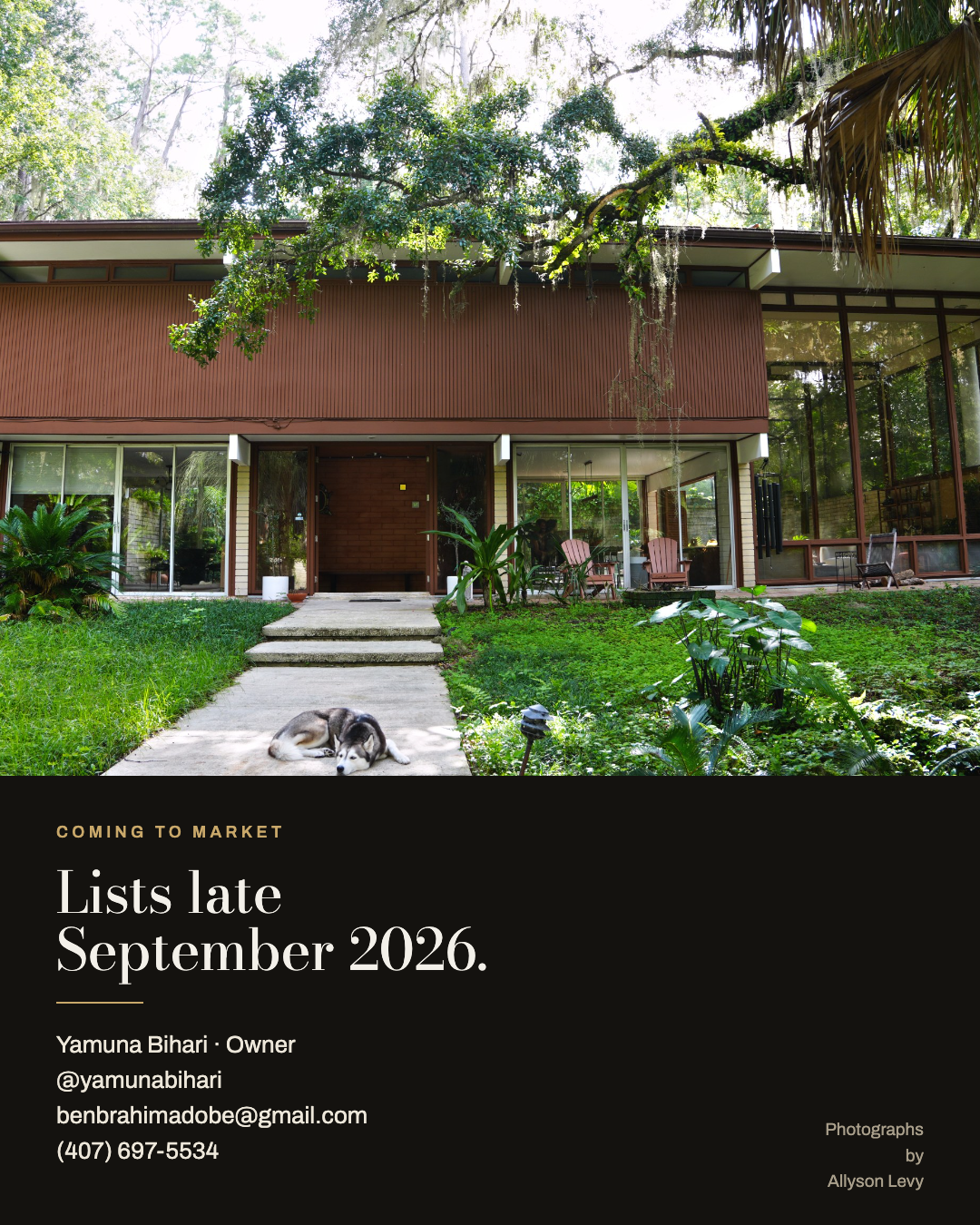
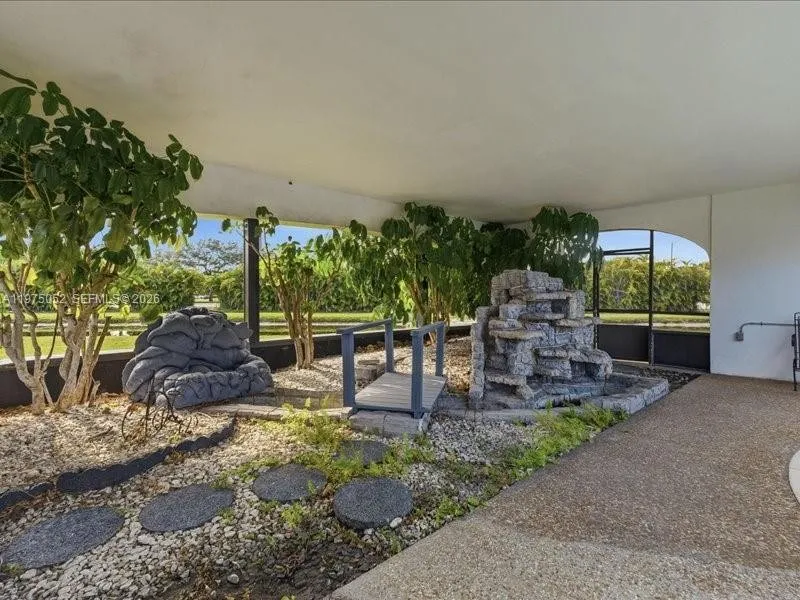
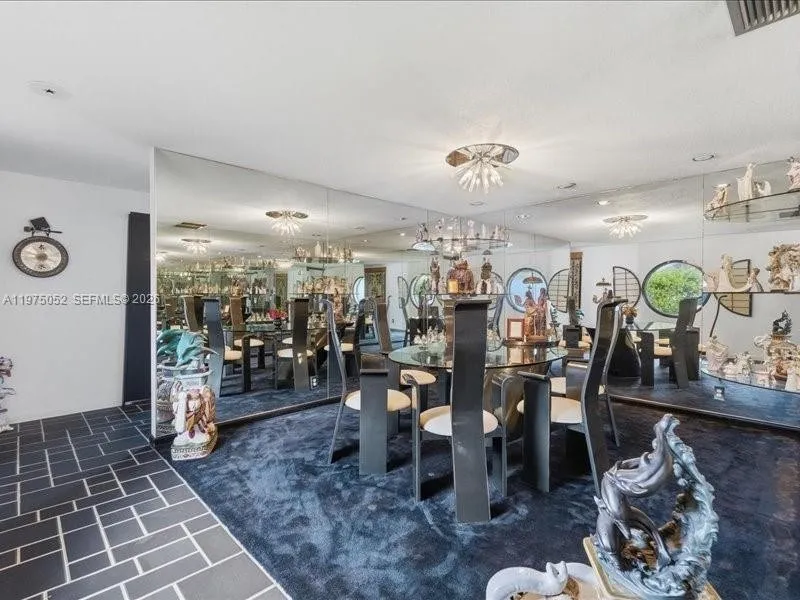
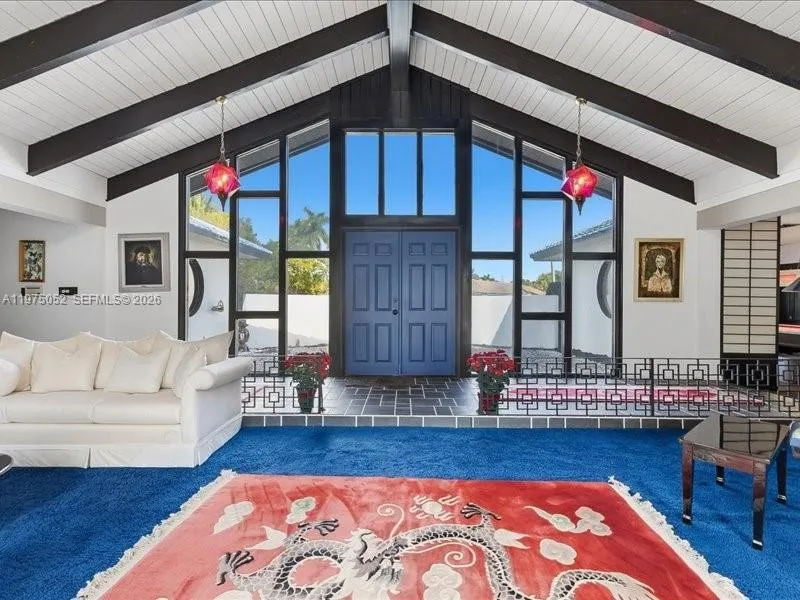
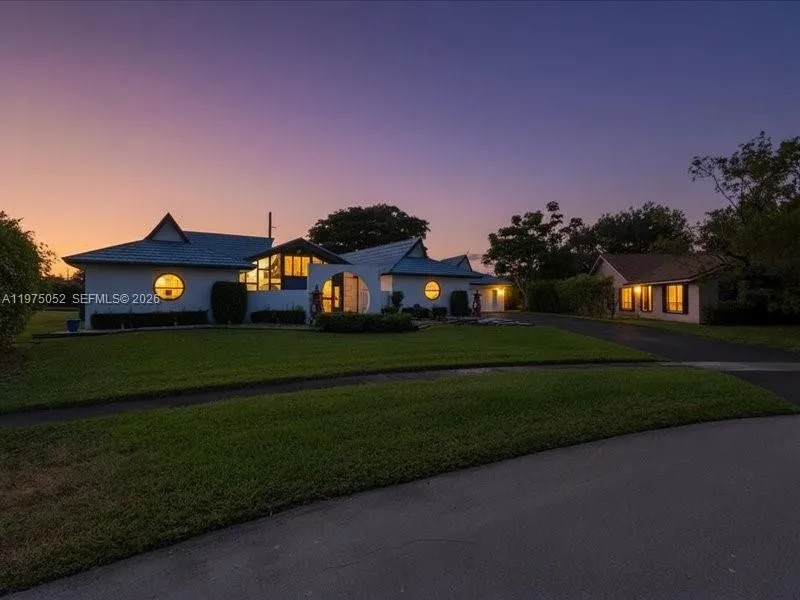
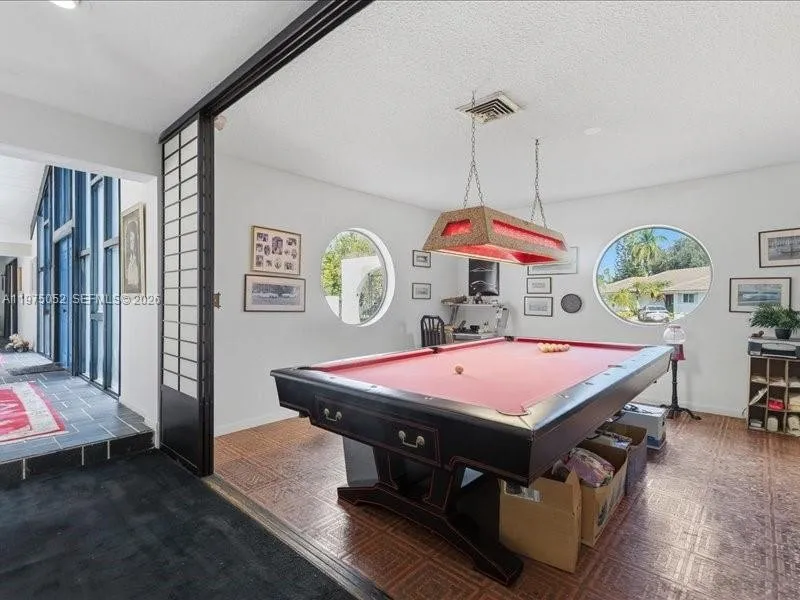
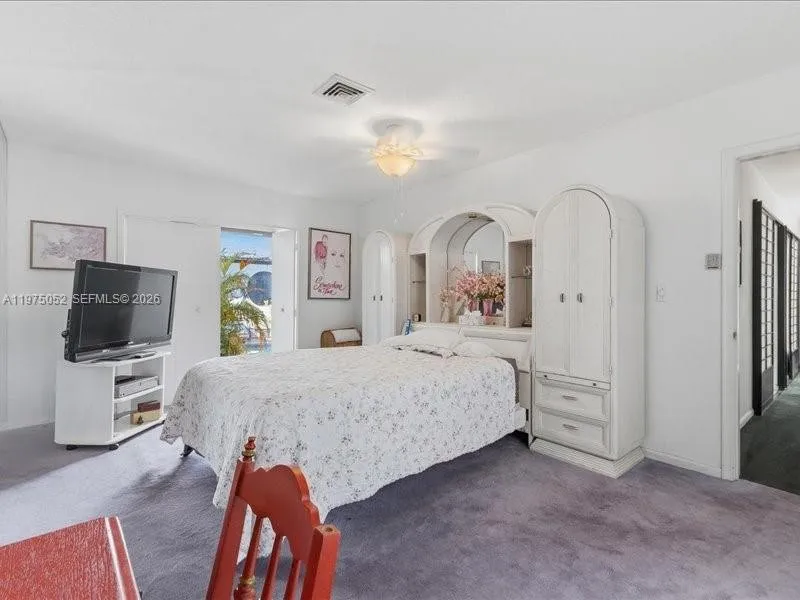
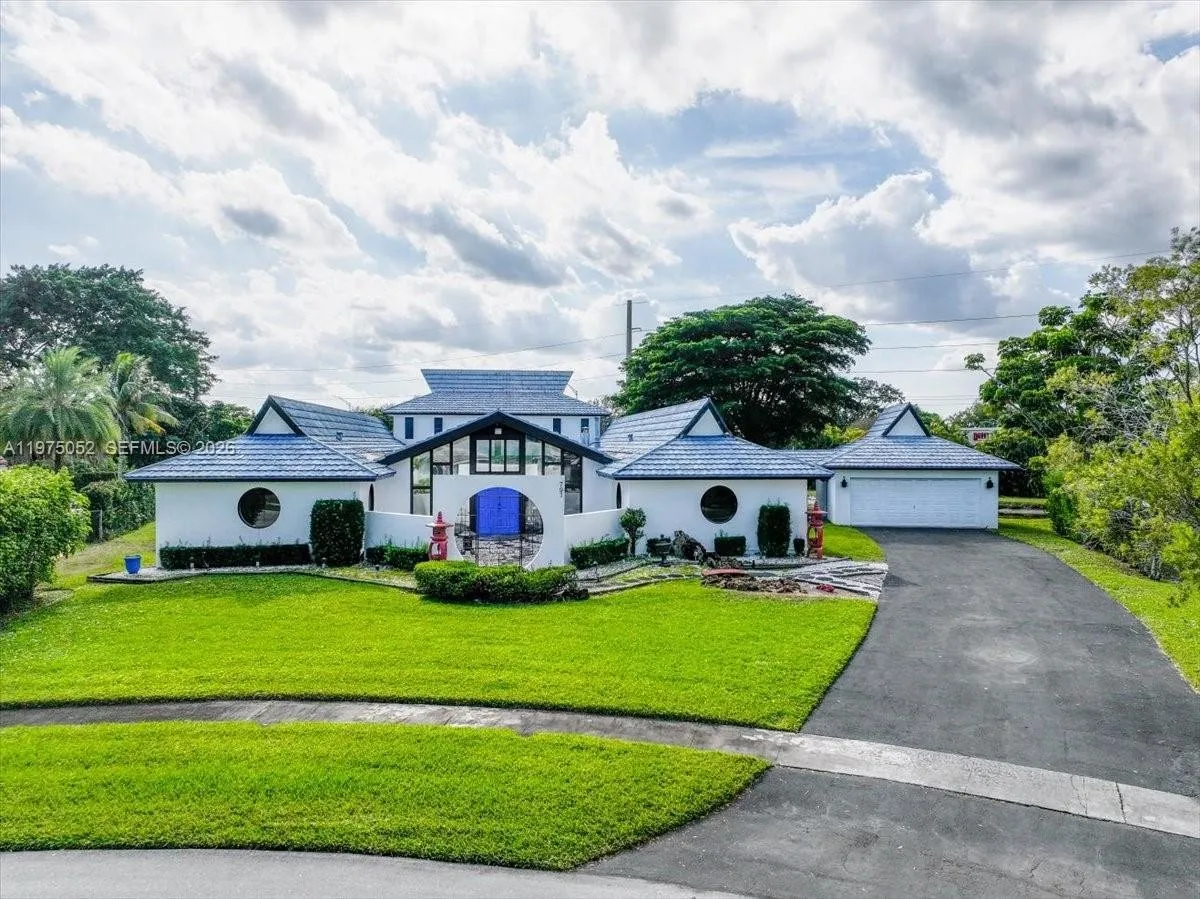
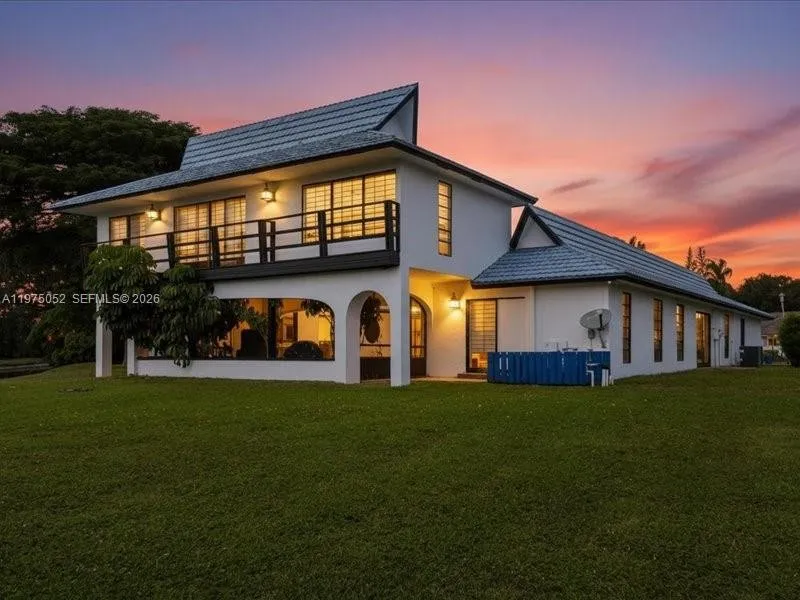
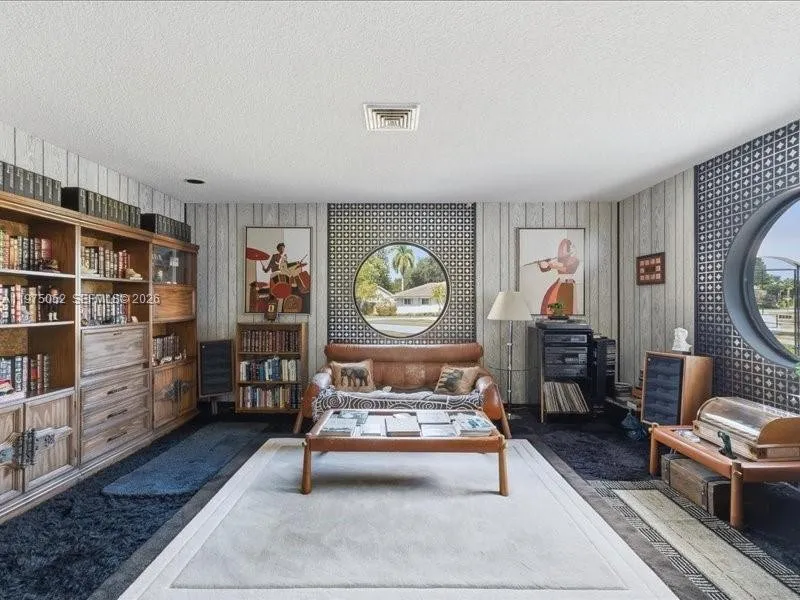
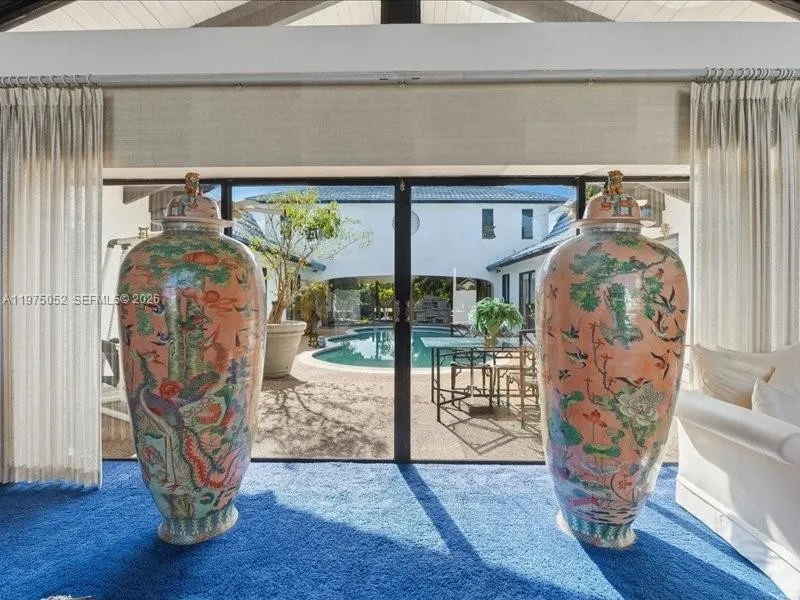
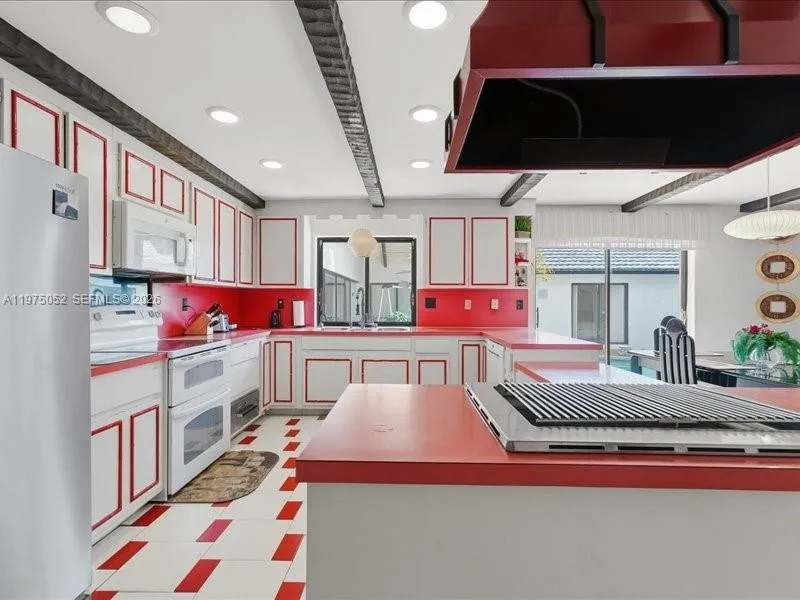
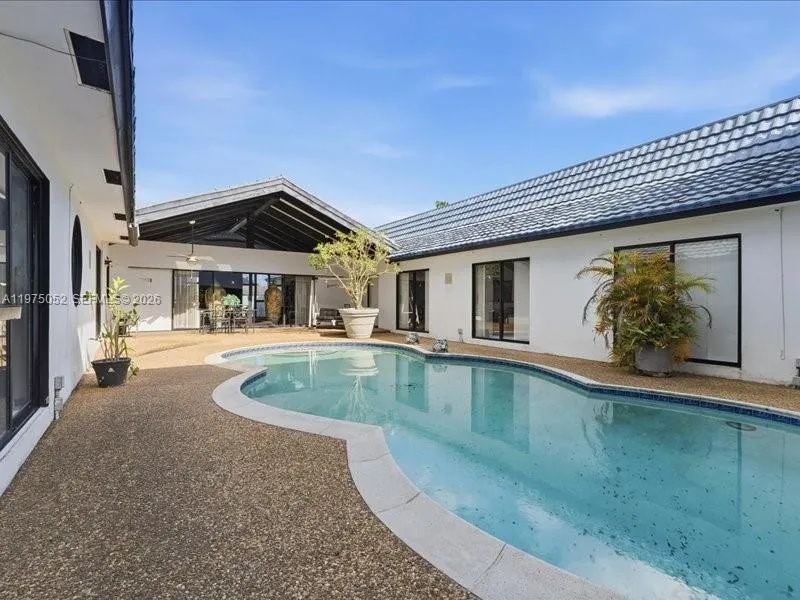
Architect Harry Merritt’s Masterpiece, the Weil-Cassisi home is for sale for the second time since 1973. Listed on the National Register of Historic Places and built in 1965, this 4 bedroom, 2.5 bathroom home sits on .69 of an acre and the property includes a second lot of .75 acres. Merritt’s use of glass, stone and wood make this home feel warm and welcoming. The Mid-Century Modern features include generous eaves, clerestory windows, Ocala block and seamless poured flooring. The front entry courtyard of Ocala Block essentially wraps the home in a dramatic fashion. The tall double doors open to a grandaddy Live Oak and a walk lined with palms. Up the walk you enter the home through another set of double doors. Merritt plays on the theme of compression to create intimate spaces and then wow you with the open dining area and double height Great Room. Merritt crowns the room with his signature use of travertine stone above the gas fireplace. The open dining room has a built in credenza and terrazzo dining table. The kitchen has beautiful views of the tropical screened-in atrium and features quartz countertops, push-to-open cabinetry and a 6 burner thermador range. The open reading room is off the kitchen and features a custom quartz-topped coffee bar, a perfect place for your morning espresso.There is a half bathroom for guests, walk-in pantry and large laundry room. There is also a two car garage with lots of storage space. As you walk upstairs you’re greeted by the warmth of California Redwood siding and French Oak flooring. There are three guest bedrooms with a guest bathroom. The bathroom has a double sink vanity with wood cabinetry and stone counter top. The large Primary Bedroom has redwood shutters that open to panoramic light-filled Great room and has a large office area. The room is divided by a double-sided accordion door closet. The rear courtyard has an in-ground spa, lush tropical plantings and a separate greenhouse. The back gardens host over 30 fruit bearing trees with well known varieties as well as tropical exotics, and have an irrigation system and lighting throughout. The home has been meticulously maintained with the main roof, downstairs HVAC and upstairs HVAC all replaced in 2022. Tankless whole-house water heater installed 2025. Septic field is 2021. Cloclough Hills has no HOA. Great location less than 2 miles to UF/Shands, downtown Gainesville and Publix shops.
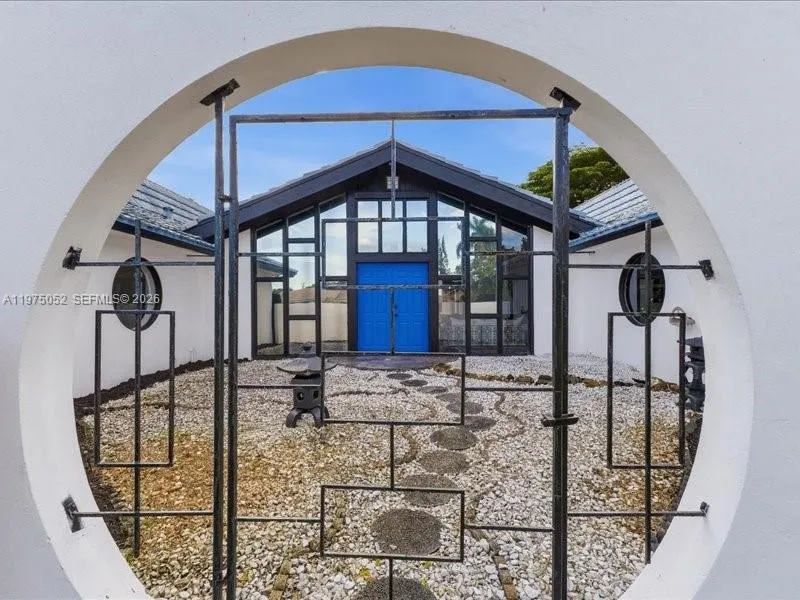
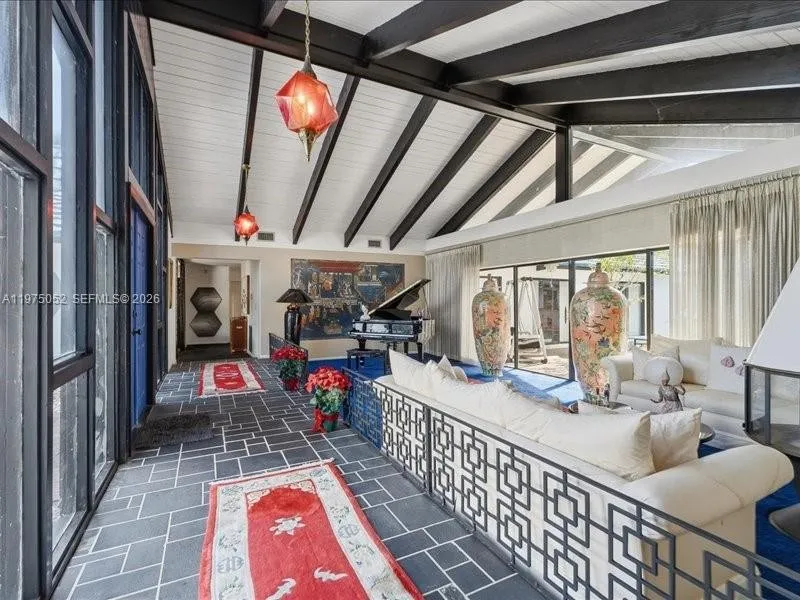
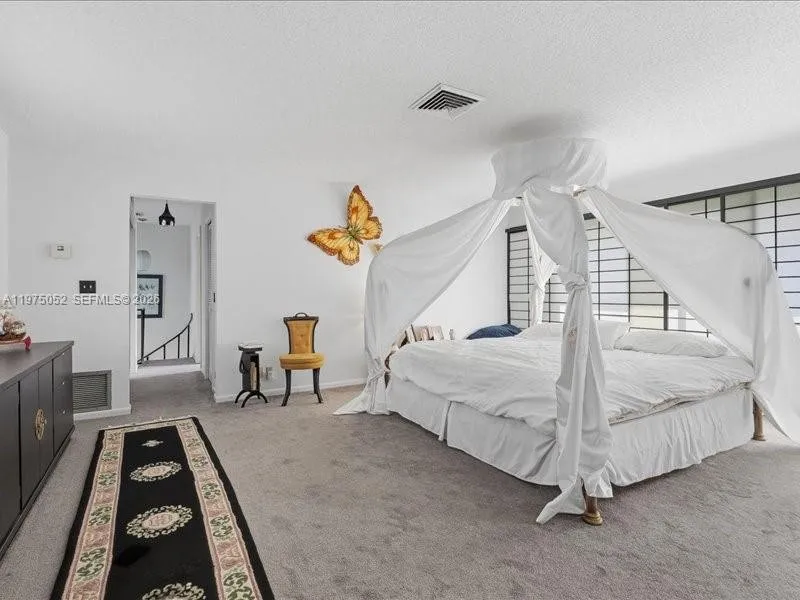
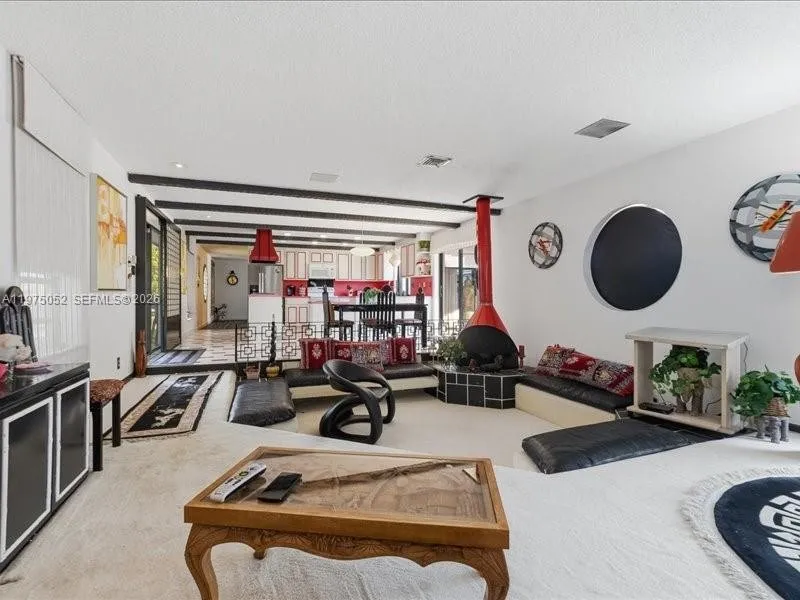
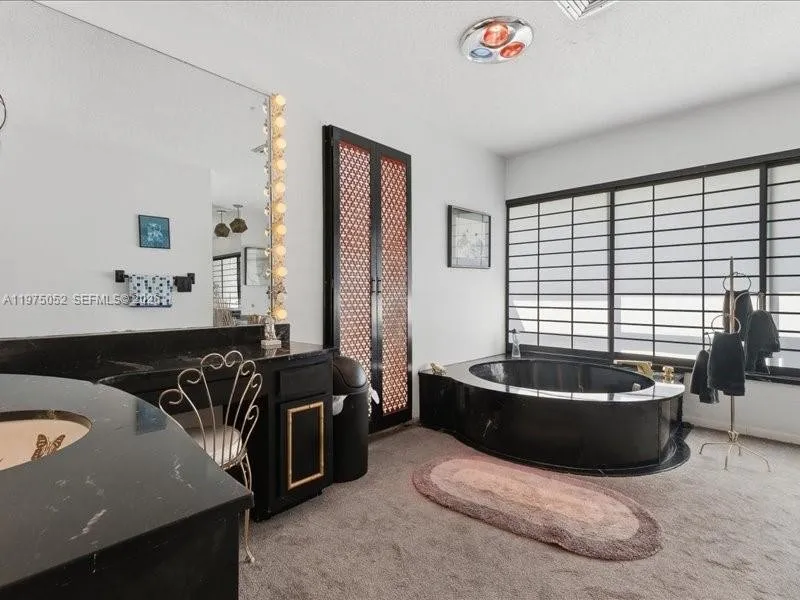
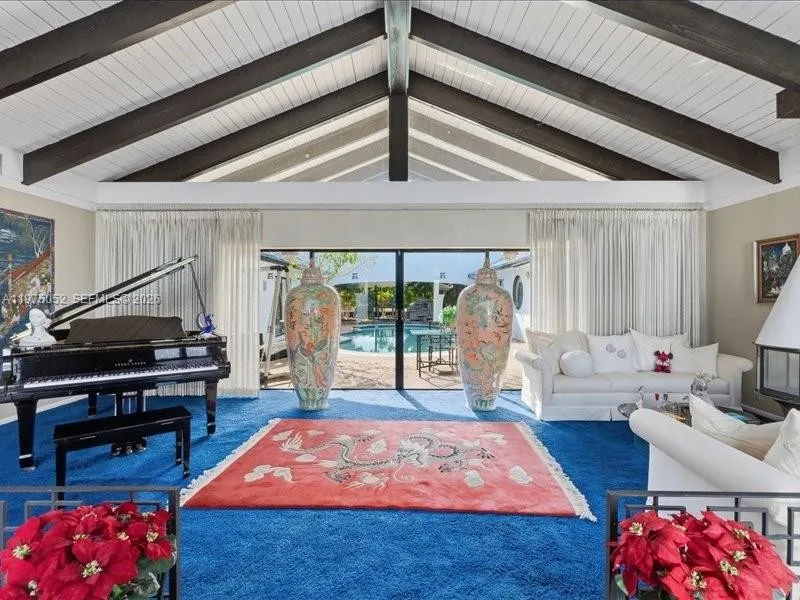
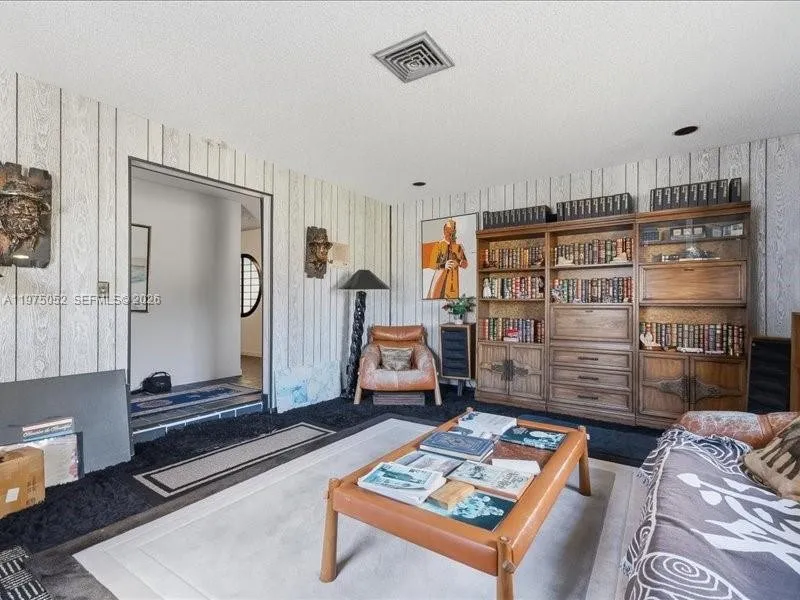
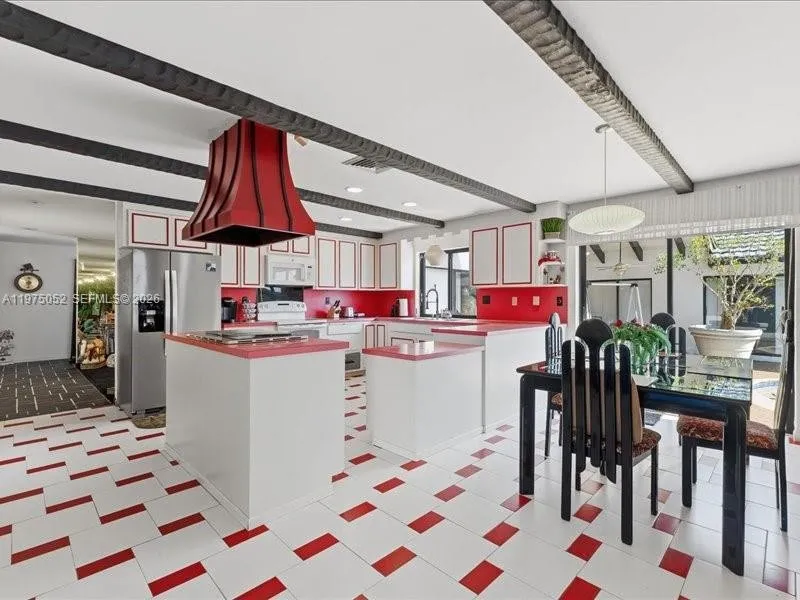
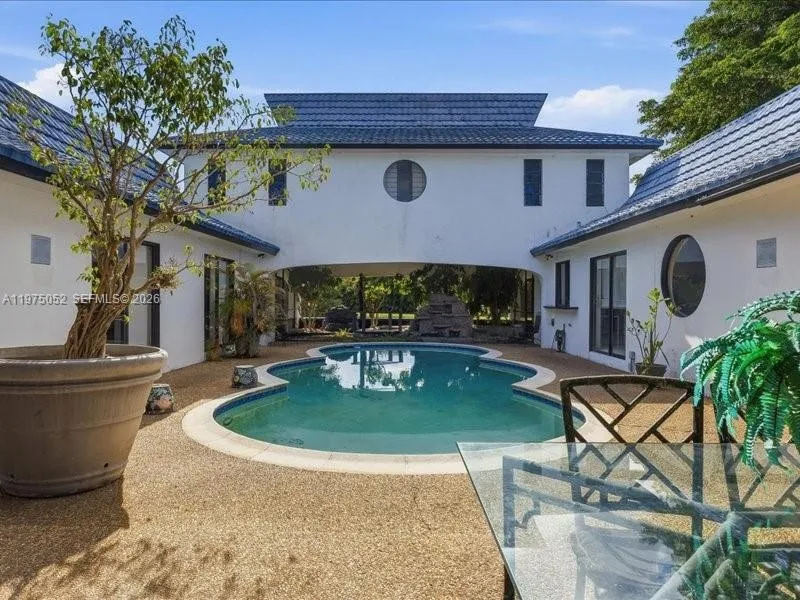
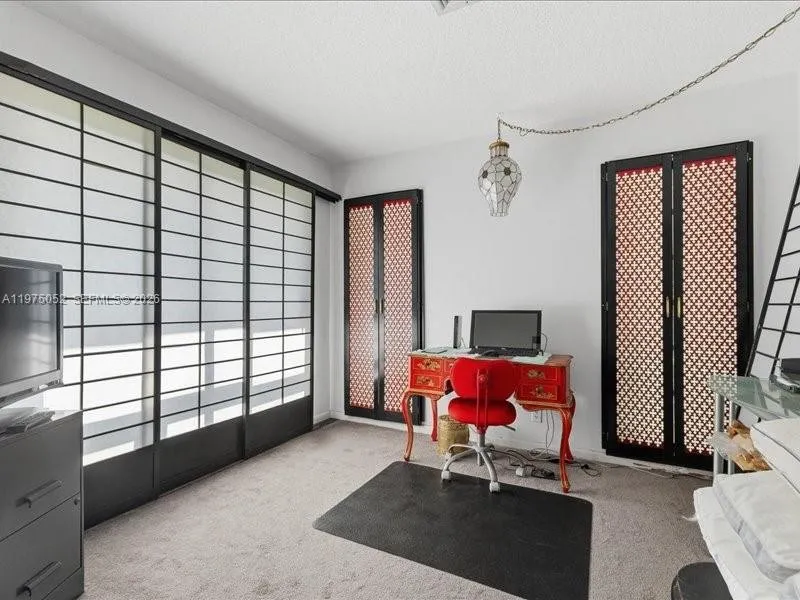
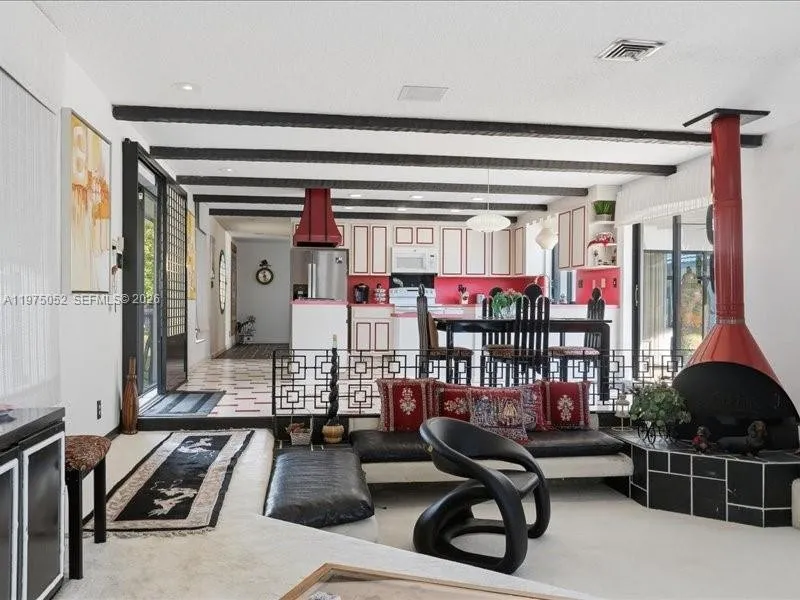
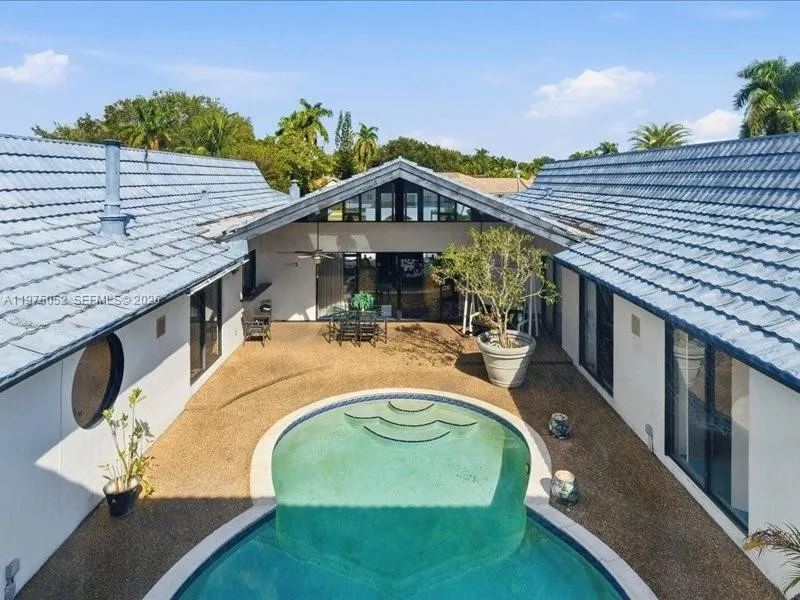
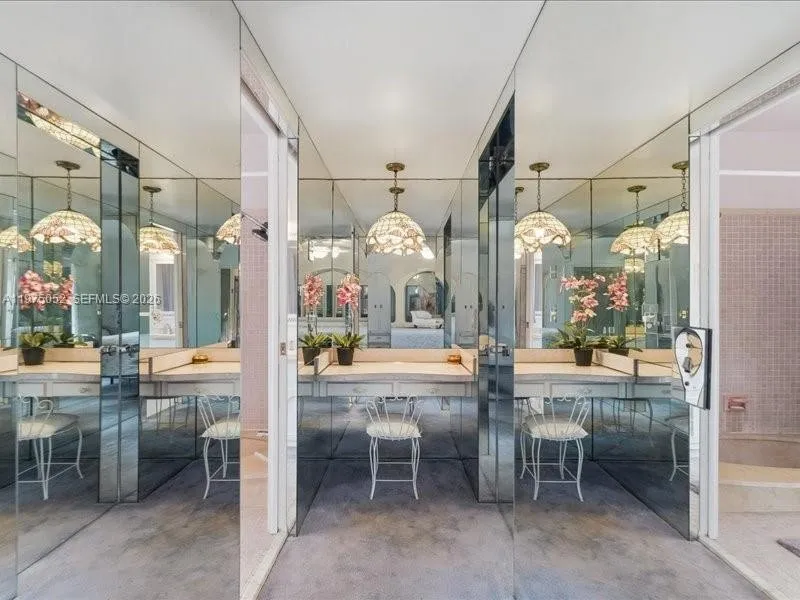
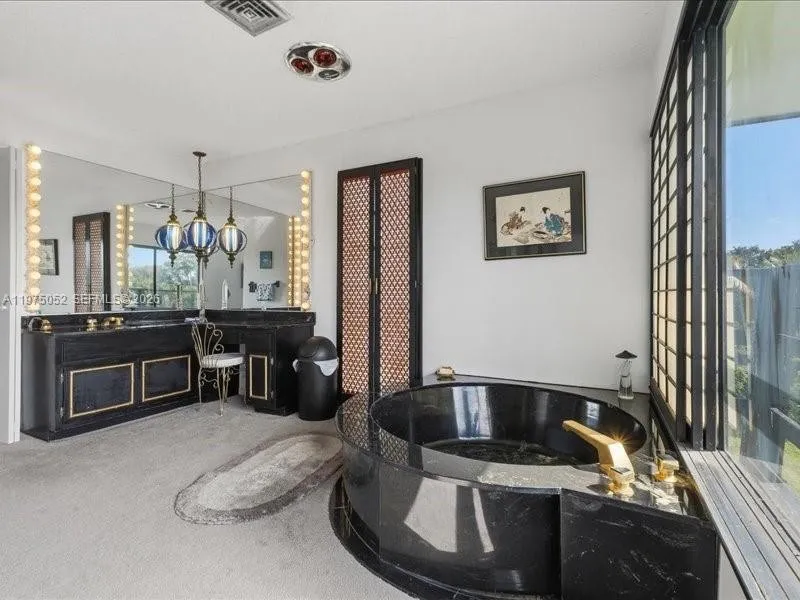
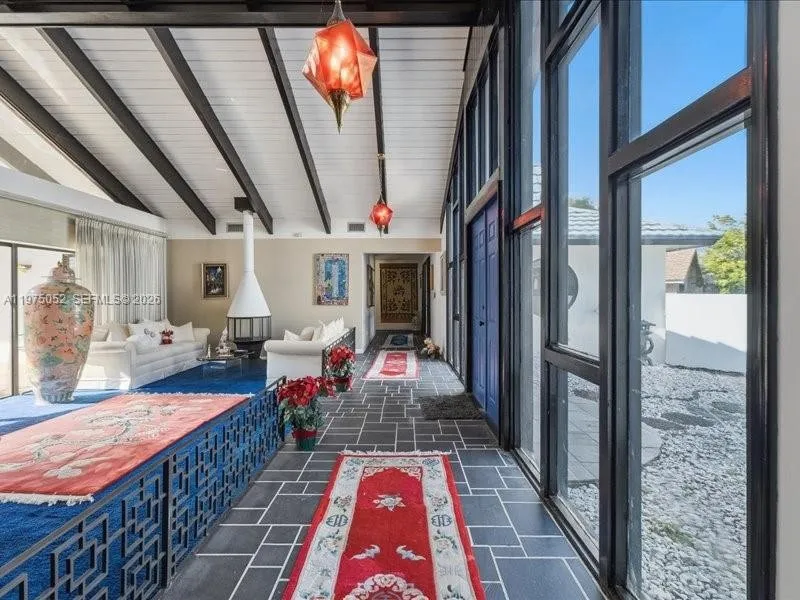
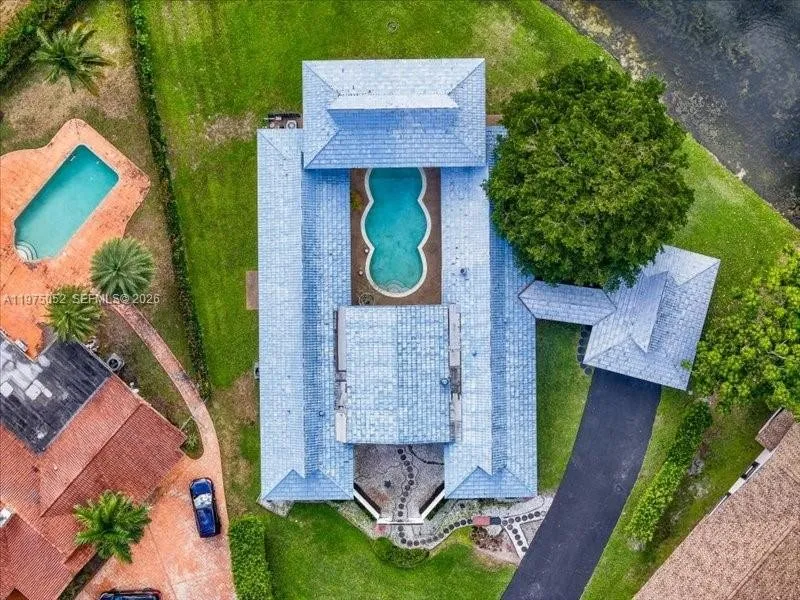
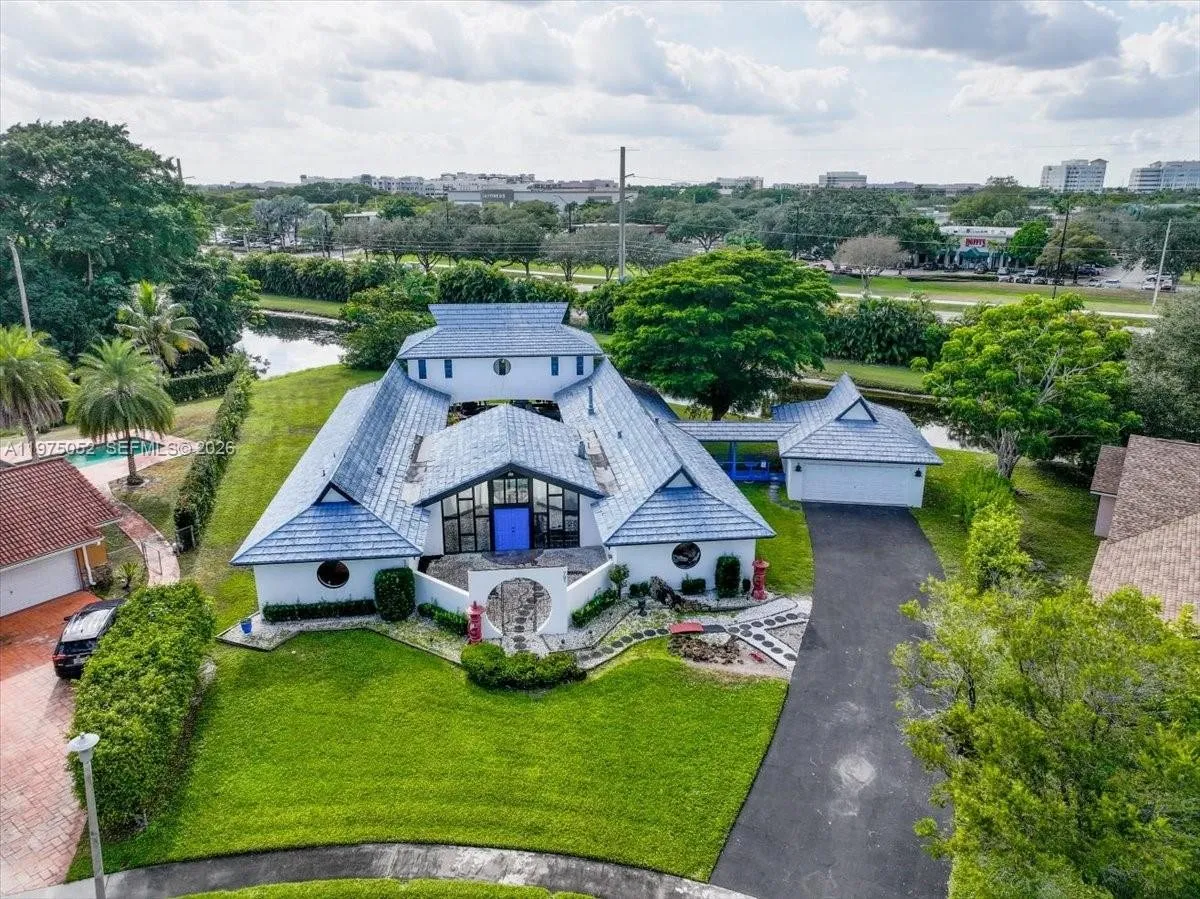
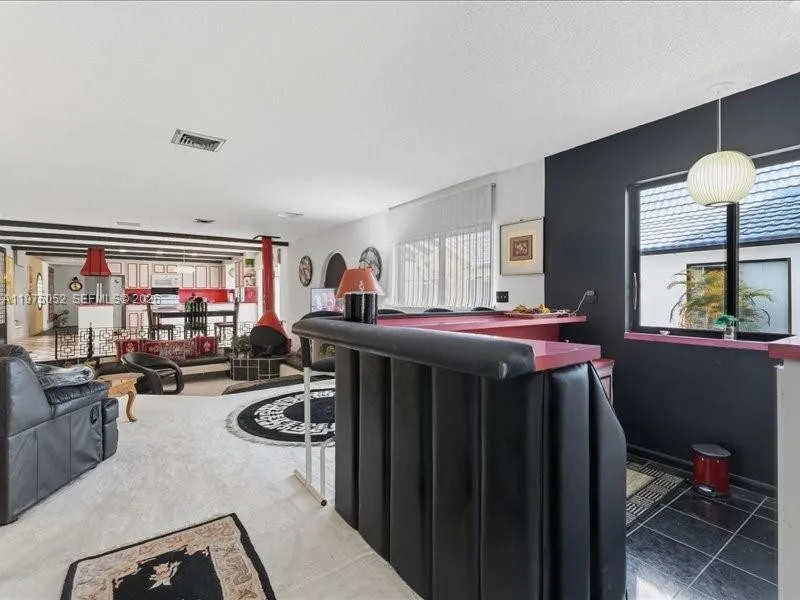
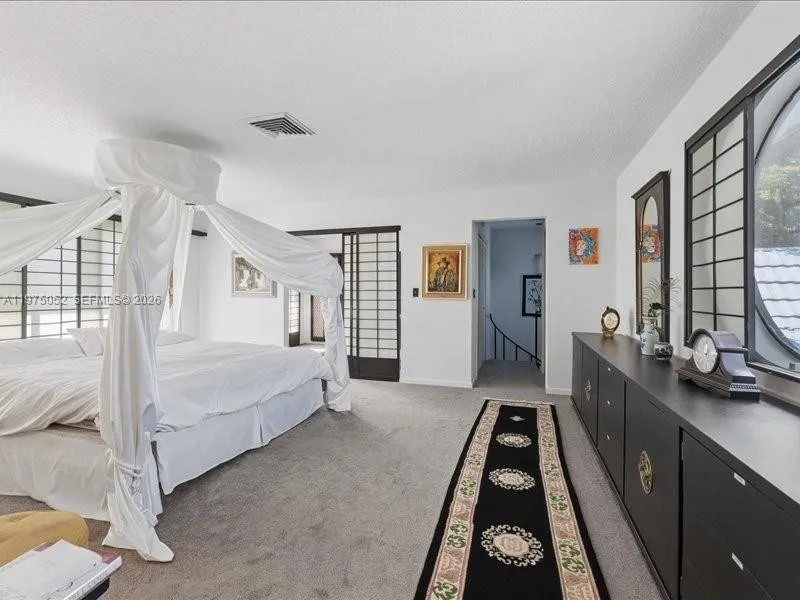
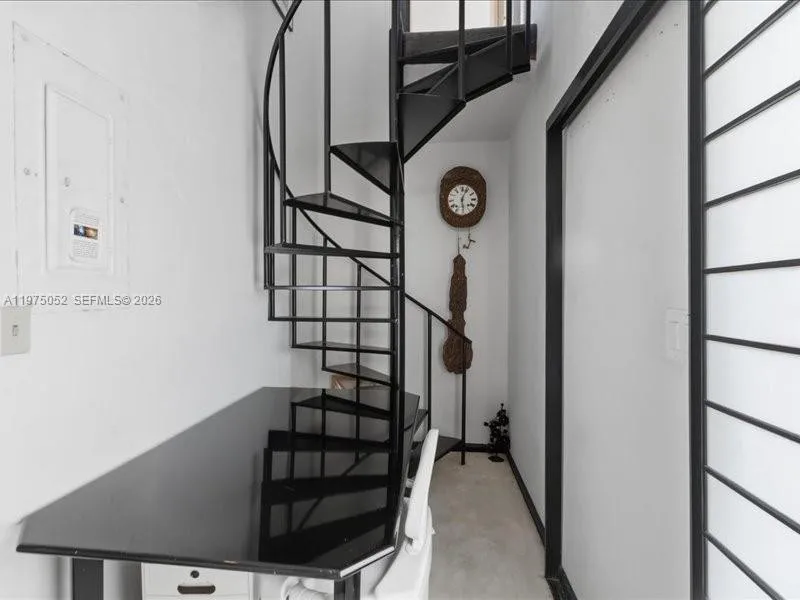
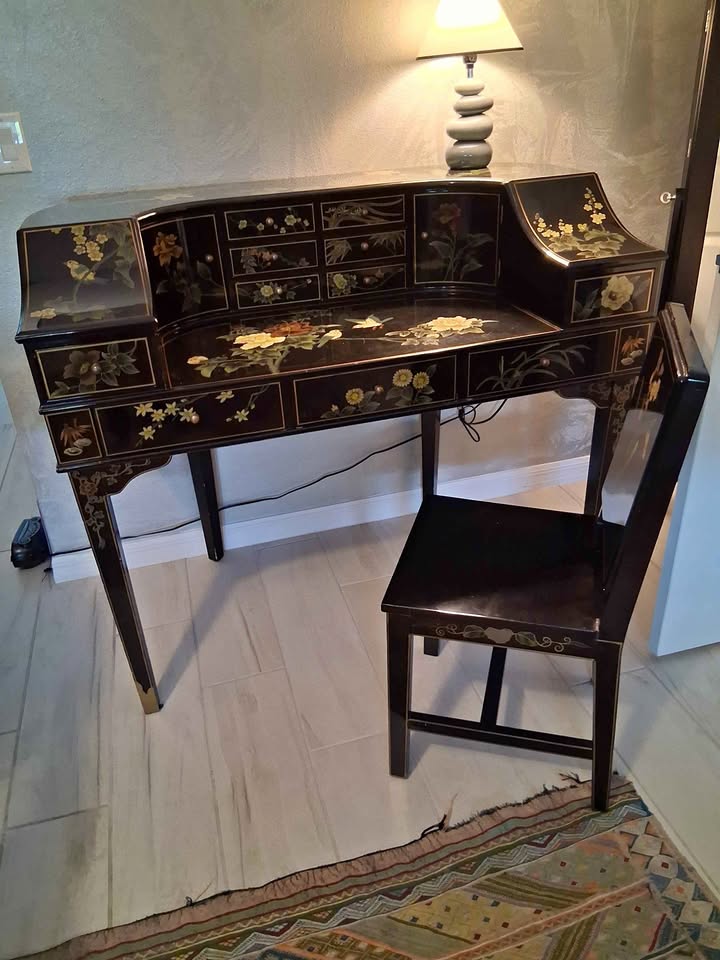
This Asian Mid Century house that is for sale currently in 2026 at 791 SW 75th Ter, Plantation, FL 33317 is a stunner. There is a part of me that thinks it would be so fun to make a home like this into a Retro Japanese Themed Air bnb. I would deck it out with my favorite asian things like this desk.
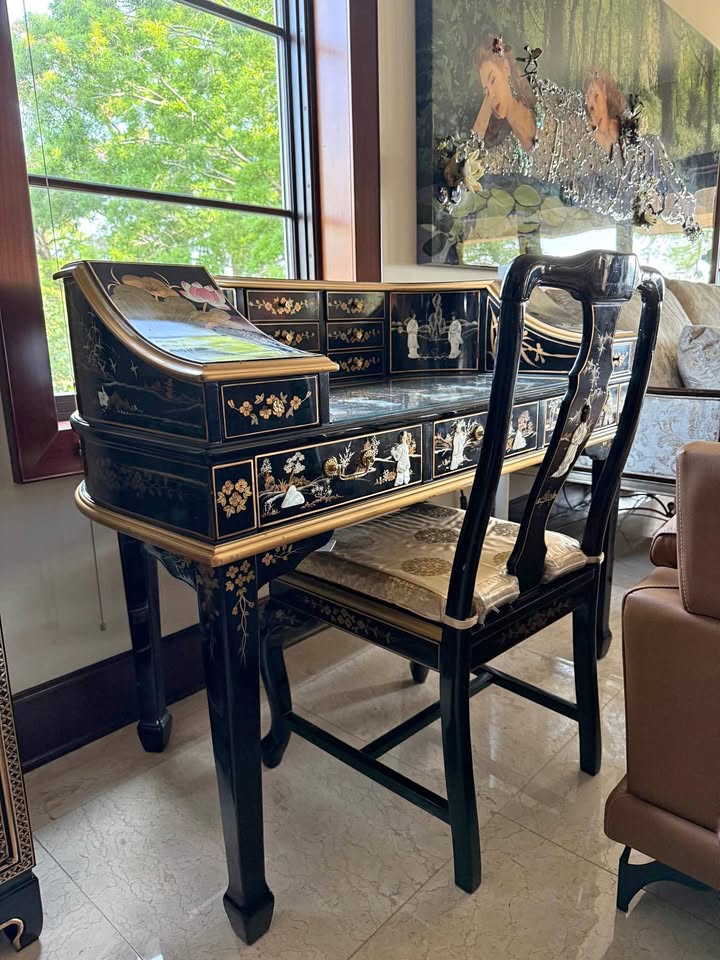
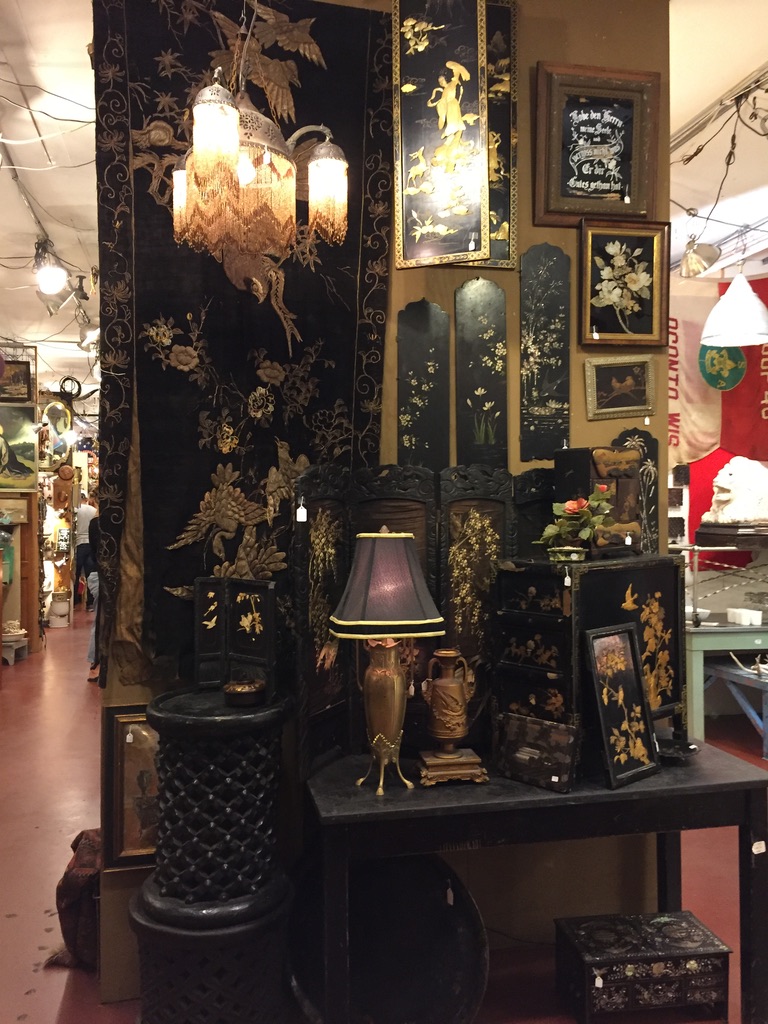
I use to have quite a few Asian Pieces that would look stunning in this house. This image from a shop in Austin I love, called Un Common Objects had a great collection of black lacquer pieces. I think it would be so fun to do an entire room in black and gold lacquer asian furniture.
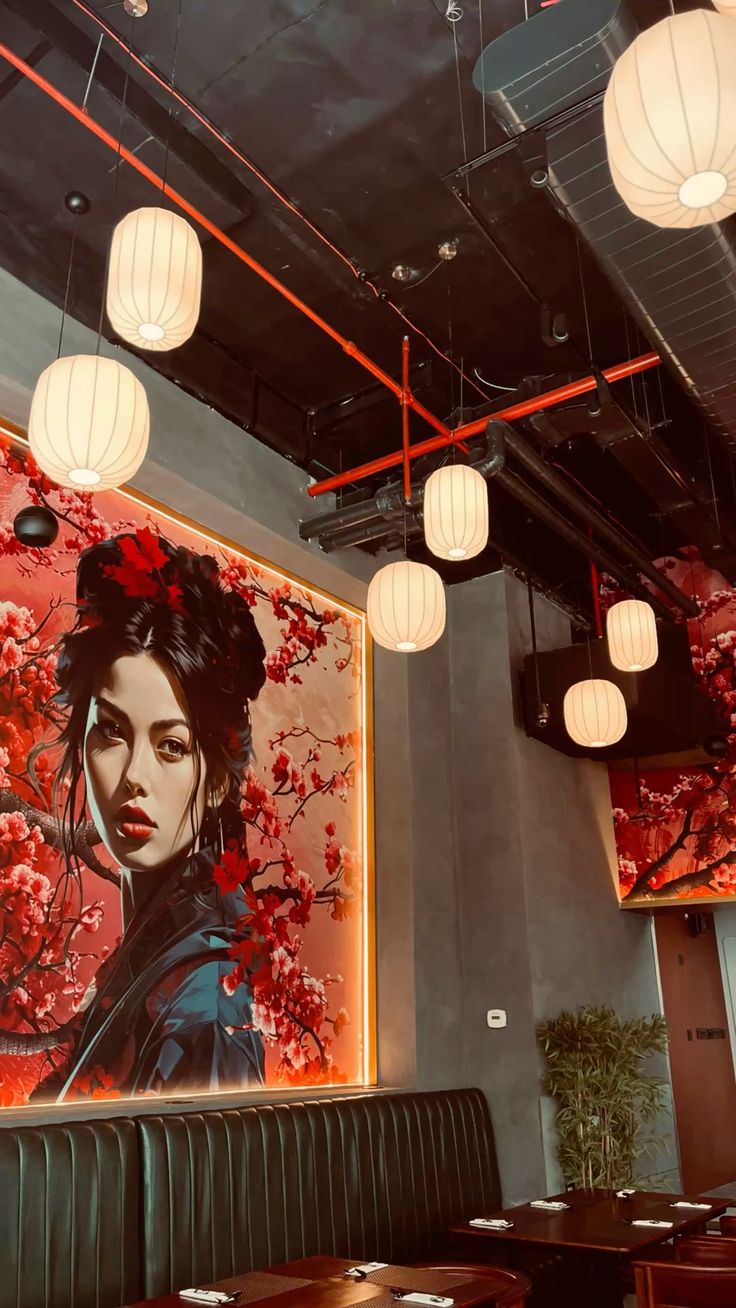
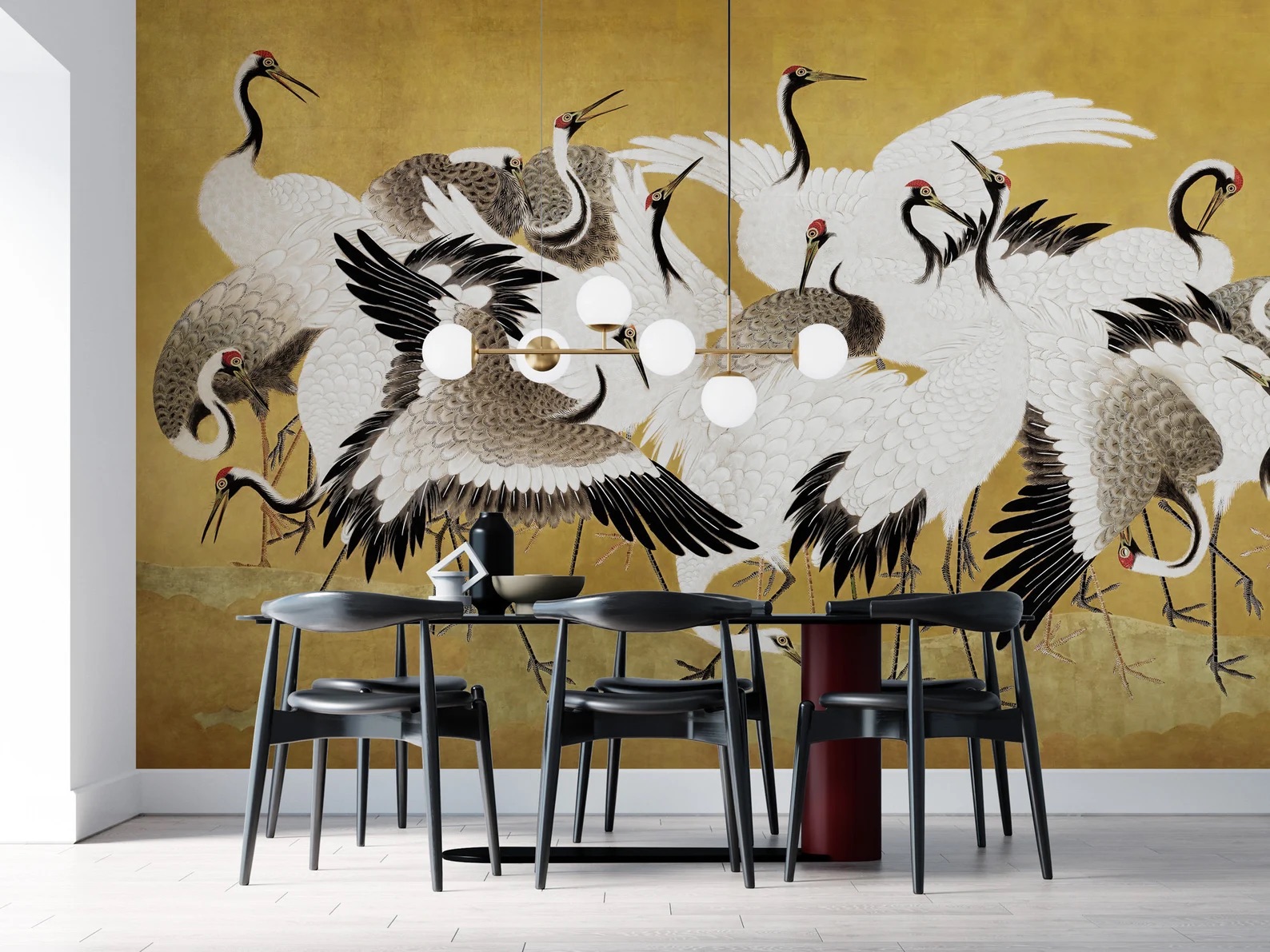
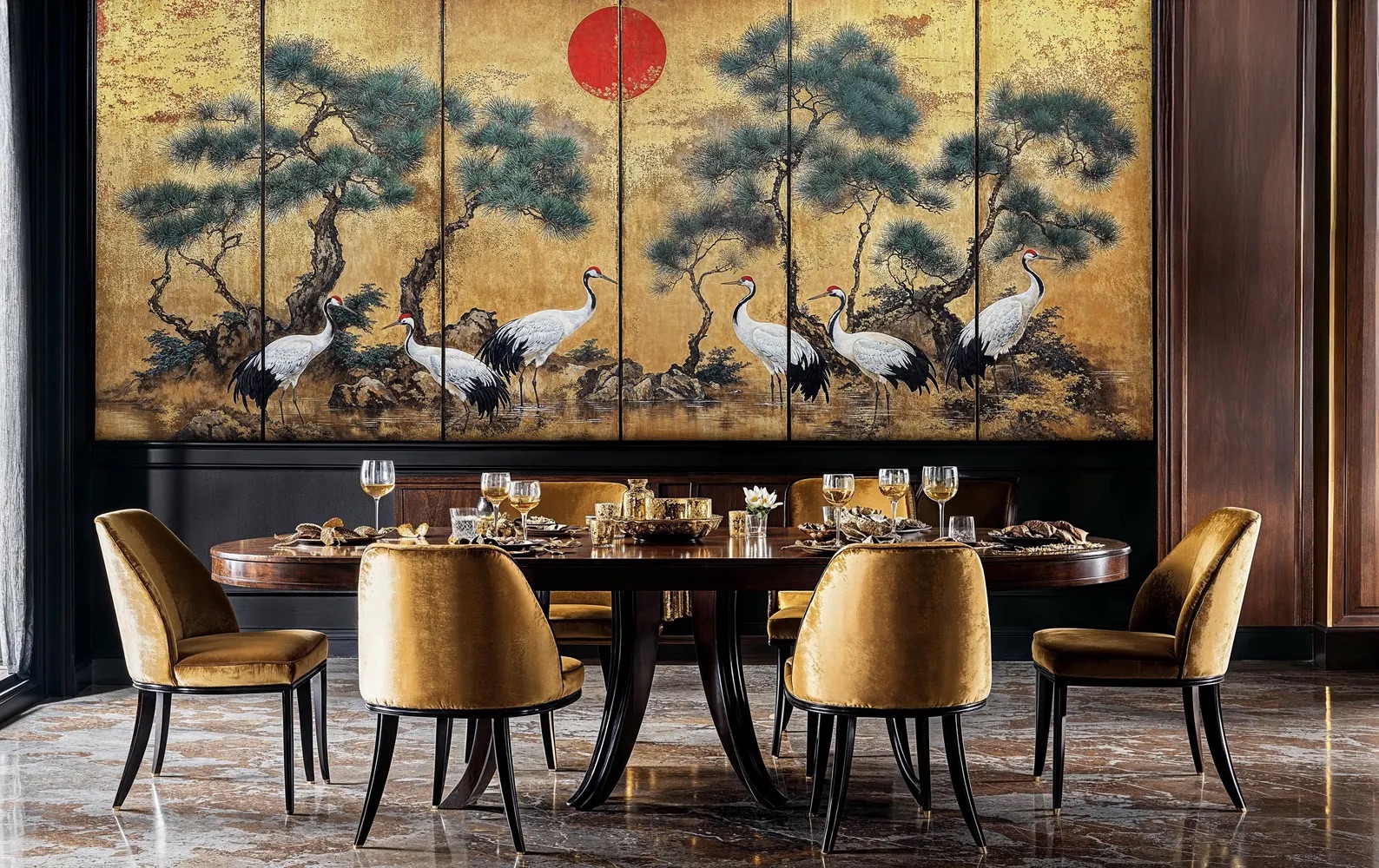
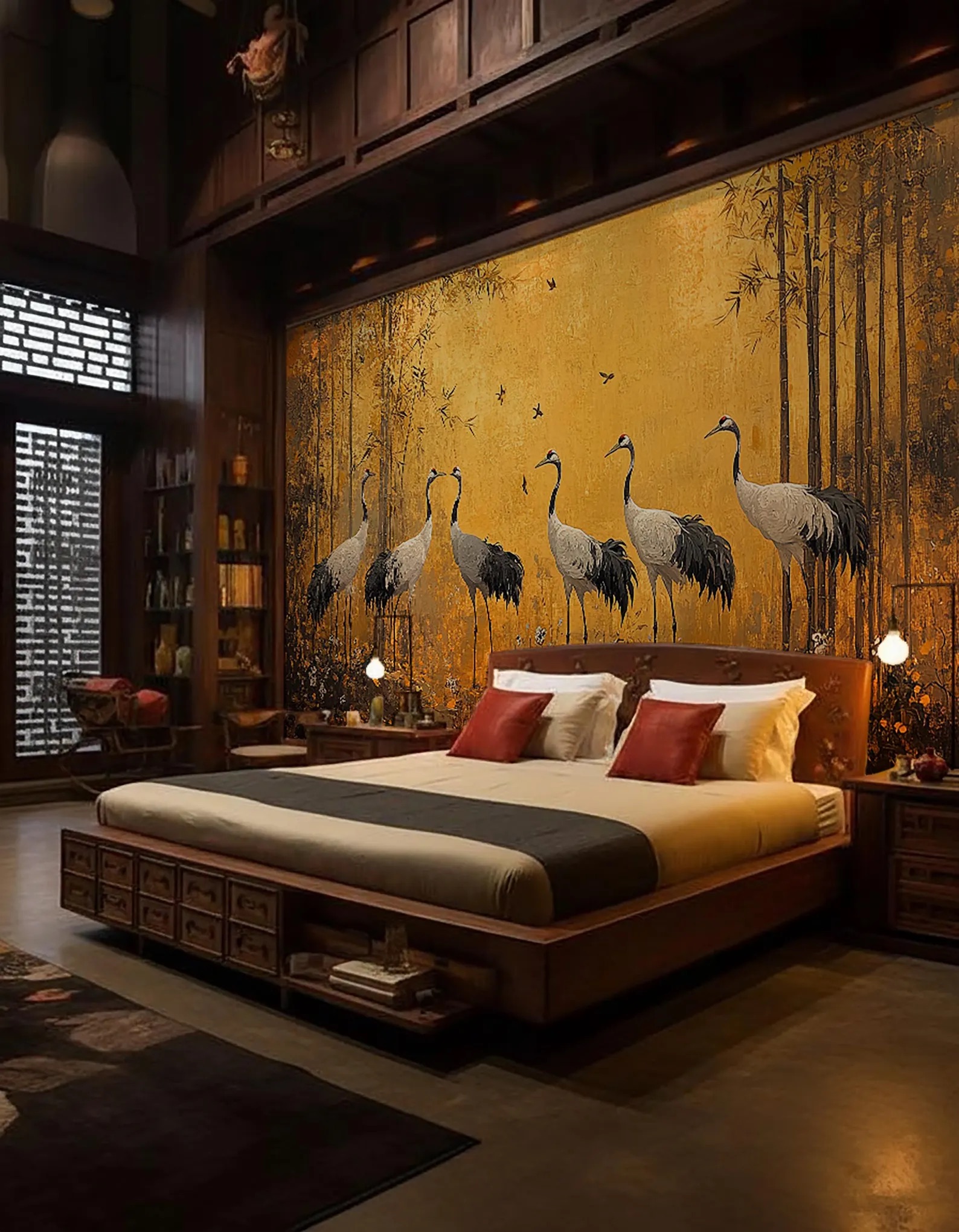
We definitely need some good wall paper graphics like this
Definitely need Neon Tiger and Kanji Wall blocks would be neat.
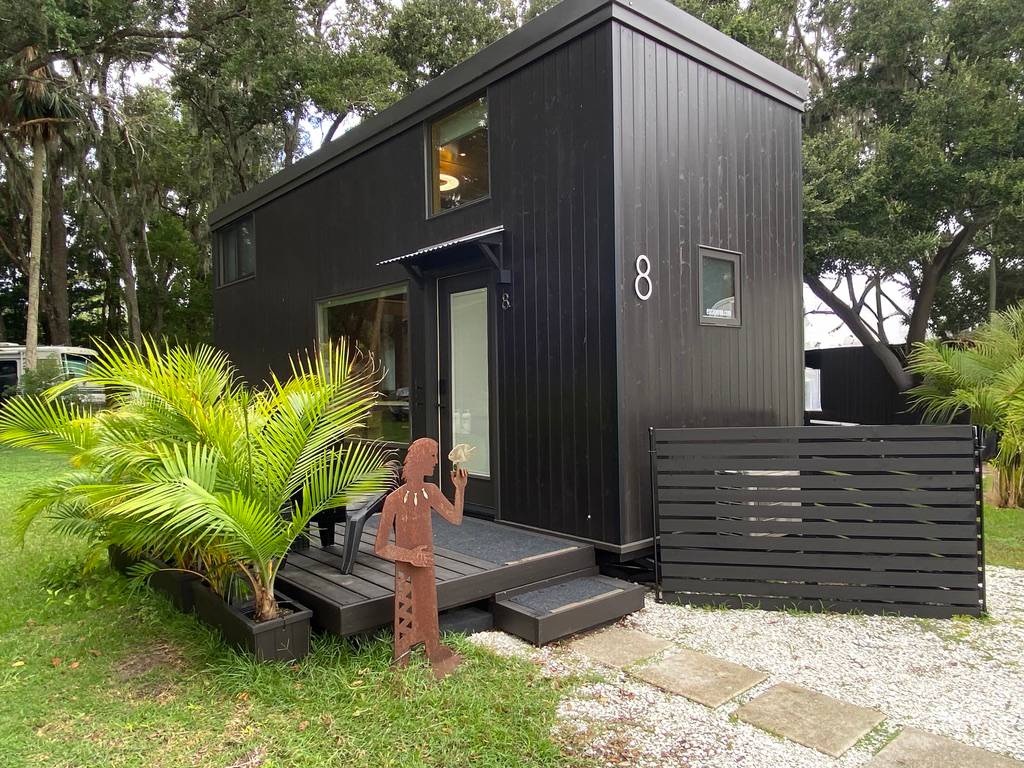
The Escaperoo Tiny Home offers the perfect combination of affordable Florida living, modern design, and coastal lifestyle—all in a compact, efficient footprint.
This 408 sq ft tiny house on wheels is ideal for:
Full-time living
A vacation home near the beach
A rental or Airbnb investment
Downsizing without sacrificing style
With Florida housing costs rising, tiny homes are becoming one of the most in-demand real estate trends, offering lower costs and simpler living.
✨ Key Features That Sell This Home FAST
Price Reduced to $89,500
26’ Tiny Home (408 sq ft)
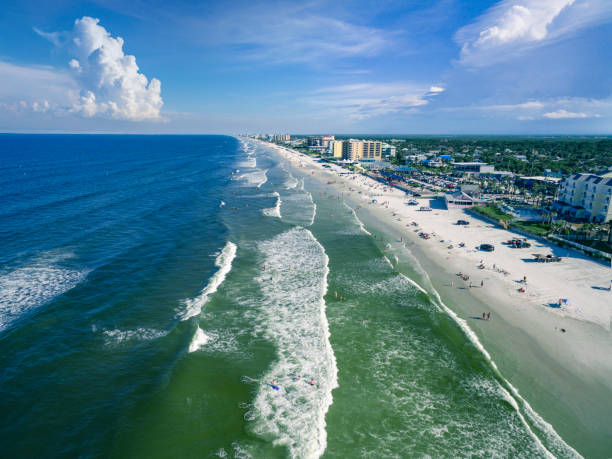
Located in New Smyrna Beach, Florida
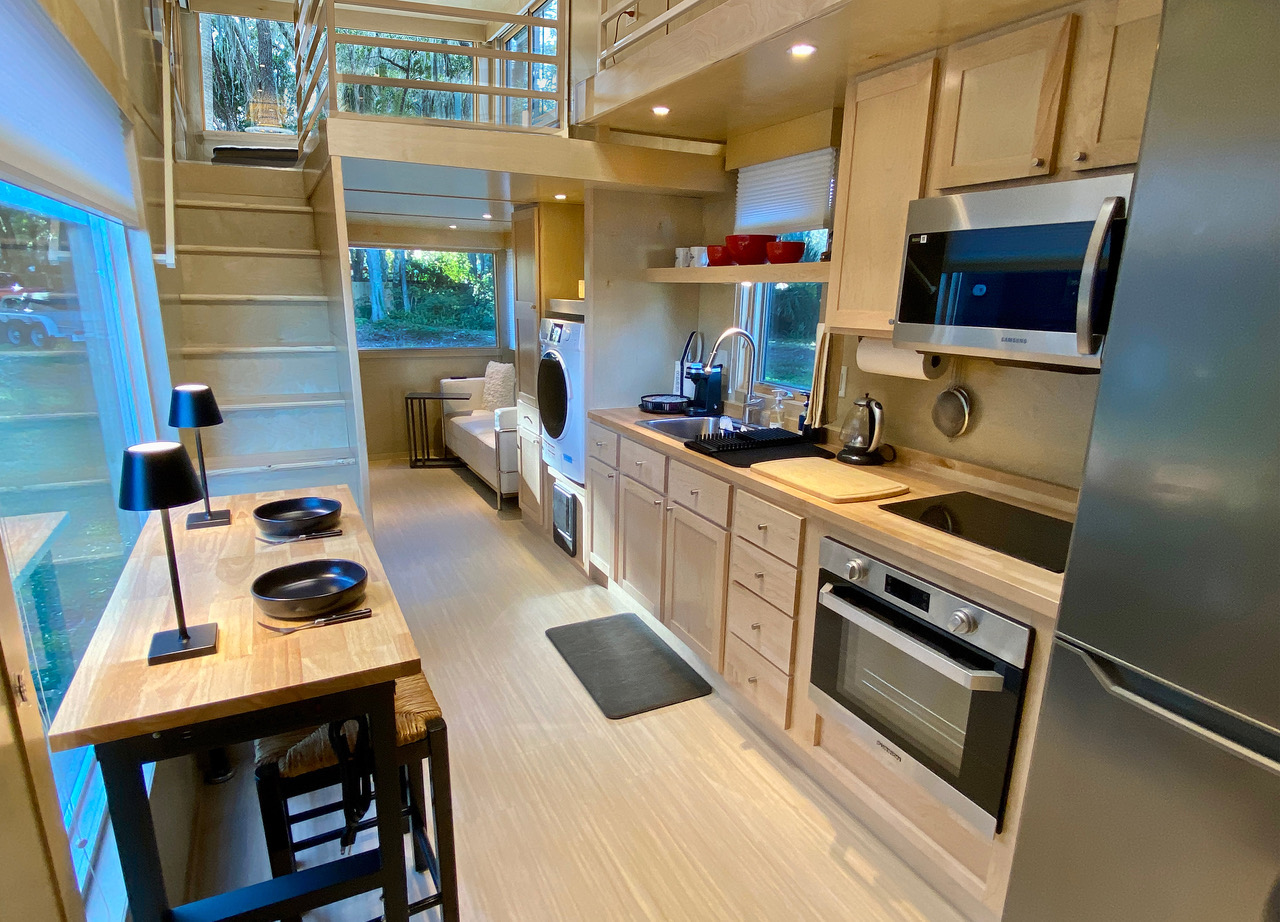
Beautiful birch wood interior + custom finishes
Full kitchen with induction cooktop, oven & full fridge
Washer/dryer combo included
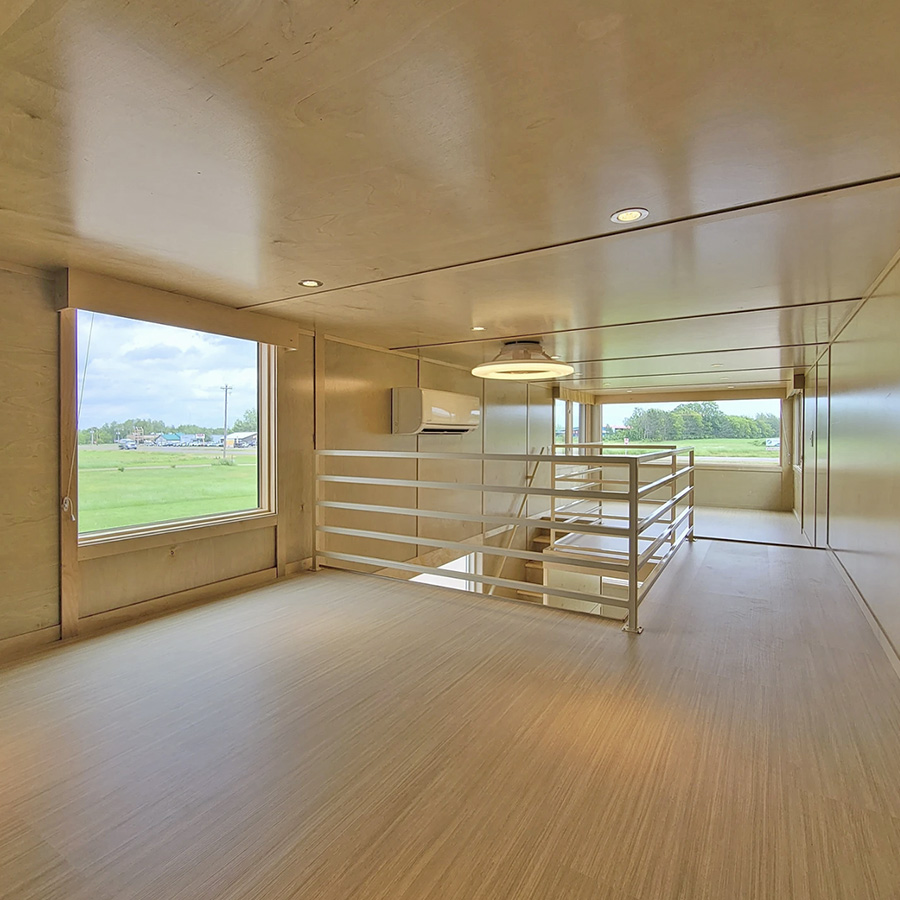
Two loft spaces for sleeping + storage
Full bathroom with shower + Toto toilet
Energy-efficient A/C & heat pump
Private 6’ x 12’ outdoor deck
RVIA certified (eligible for financing)
This home is just 1.5 years old and in excellent condition, making it a turnkey opportunity.
🌊 Live the New Smyrna Beach Lifestyle
Located just minutes from the Atlantic Ocean, New Smyrna Beach is known for:
Laid-back surf culture
Vibrant arts scene
Incredible dining and local shops
Year-round warm weather
This tiny home gives you coastal living without the million-dollar price tag.
💡 Why Tiny Homes Are Exploding in Popularity
The demand for tiny homes in Florida is booming—and for good reason:
Lower cost of ownership
Minimal maintenance
Eco-friendly lifestyle
Flexibility (move it or rent it)
Ideal for ADUs (Accessory Dwelling Units)Not considered an ADU in Volusia County it’s considered an RV.
Many buyers are turning to tiny homes as a way to own property faster and avoid traditional mortgages.
💰 Affordable Florida Living (Without Compromise)
Compare this to traditional housing:
Median Florida home: $300K–$500K+
This fully equipped tiny home: $89,500
Plus, there’s an option to place it in a Florida RV community with low monthly lot rent (~$575/month)—making it one of the most affordable ways to live near the beach.
🧠 Perfect For These Buyers
This tiny home is ideal for:
Remote workers
Retirees downsizing
First-time home buyers
Investors looking for Airbnb income
Snowbirds seeking winter escapes
🚀 Why This One Will Sell Quickly
✔ Prime Florida beach location ✔ Move-in ready (no build time) ✔ Financing eligible ✔ Turnkey modern design ✔ Rare price point under $100K
Inventory like this is extremely limited—especially in Volusia County and New Smyrna Beach.
👉 Schedule a Viewing or Learn More
Don’t miss this opportunity to own a tiny home in Florida near the beach.
The demand for tiny homes and accessory dwelling units (ADUs) in Florida is rapidly growing, and for good reason. Homeowners are looking for creative ways to increase property value, generate passive income, and create flexible living spaces without relocating. Whether it’s a pool house, guest suite, rental unit, or home office, building a backyard ADU has become one of the most strategic real estate upgrades in today’s market.
Companies like Florida Made Tiny Homes have helped popularize the concept by offering turnkey, custom-built ADUs constructed directly on-site, making the process more accessible for Florida homeowners. Their approach highlights a key shift in the industry: people want high-quality, permanent structures—not temporary solutions.
At Hi Octane Drywall, we’ve seen firsthand how a well-designed small structure—like the Cusick Pool House—can completely transform a property. These builds are not just about adding square footage; they’re about enhancing lifestyle, usability, and long-term value. When paired with thoughtful design from Hi Octane Design, a small space can feel architectural, intentional, and luxurious.
One of the biggest advantages of building an ADU or tiny home in Florida is versatility. These structures can serve multiple purposes over time—starting as a guest house, transitioning into a rental unit, and eventually becoming a space for aging parents or adult children. This adaptability is one of the reasons ADUs are often seen as a solution to both housing shortages and multigenerational living needs.
From a construction standpoint, many modern ADUs are built just like full-sized homes, using permanent foundations, high-quality materials, and code-compliant systems. Unlike prefabricated units that require delivery and crane access, on-site builds eliminate logistical challenges and allow for complete customization based on the property layout. This is especially important in areas like Volusia County, where lot sizes, setbacks, and access can vary significantly.
Design plays a critical role in maximizing a small footprint. Open floor plans, large windows, and cohesive material selections can make a 400–800 square foot space feel expansive. Features like luxury vinyl flooring, quartz countertops, and custom cabinetry—commonly included in modern ADUs—help elevate the space beyond “tiny” into something that feels high-end and intentional.
Another major driver behind the ADU trend is rental income potential. With Florida’s strong tourism and relocation markets, a well-designed backyard unit can generate consistent monthly revenue. Whether used as a long-term rental or a short-term Airbnb-style property, an ADU can significantly offset mortgage costs and increase overall property ROI.
Of course, building an ADU in Florida requires navigating local zoning laws, permitting, and building codes. Regulations vary by county and municipality, which makes working with experienced builders and designers essential. A streamlined, turnkey process—from design and permitting to construction and final finishes—can save months of time and prevent costly mistakes.
Another key benefit of smaller homes is energy efficiency and lower maintenance costs. ADUs are easier to heat and cool, require fewer materials, and typically have reduced utility expenses compared to larger homes. This makes them ideal not only for rental income but also for homeowners looking to downsize or simplify their lifestyle.
For those considering a project similar to the Cusick Pool House, it’s important to think beyond just function. The most successful builds integrate seamlessly with the main home, matching architectural style, materials, and landscaping. This is where collaboration between construction and design becomes critical—ensuring the ADU feels like a natural extension of the property rather than an afterthought.
At Hi Octane Drywall, we specialize in high-quality craftsmanship, framing, finishing, and detail work that bring these small-scale projects to life. Paired with the branding, spatial planning, and visual expertise of Hi Octane Design, clients get a complete solution—from concept to completion.
As the housing landscape continues to evolve, tiny homes and ADUs are no longer a niche trend—they are a practical, scalable solution for modern living. Whether you’re looking to create additional income, house family members, or design a stunning backyard retreat, building a custom ADU is one of the smartest investments you can make in Florida today.
Businesses in DeLand and throughout Volusia County are discovering that a professional website is one of the most important tools for attracting new customers.
Whether you run a construction company, retail shop, restaurant, or creative business, your website acts as your digital storefront.
At Hi Octane Design, we help businesses create websites that are visually compelling, fast, and optimized for search engines.
Why Local Businesses Need a Strong Website
Today most customers search online before choosing a business.
If your company doesn’t appear in search results, potential customers may never discover you.
A well-designed website helps businesses:
appear in Google searches
generate leads
showcase services
build credibility
The Foundation of Every Website: Reliable Hosting
Before a website can launch it needs a secure hosting environment where the site lives online.
Many small businesses begin with easy-to-manage WordPress hosting like this:
Once hosting is set up, the real work begins — designing a website that represents your brand professionally.
Professional Website Design by Hi Octane Design
At Hi Octane Design we create websites that combine:
modern visual design
intuitive navigation
mobile optimization
SEO best practices
The goal is simple: turn website visitors into customers.
Serving DeLand and Volusia County Businesses
Hi Octane Design works with businesses throughout:
DeLand
Daytona Beach
Lake Mary
Sanford
Orlando
If your business needs a website that looks great and performs well online, we can help design a site tailored to your brand.
Website Design in DeLand Florida: How to Build a Website That Attracts Customers
Businesses in DeLand and throughout Volusia County are discovering that a professional website is one of the most important tools for attracting new customers.
Whether you run a construction company, retail shop, restaurant, or creative business, your website acts as your digital storefront.
At Hi Octane Design, we help businesses create websites that are visually compelling, fast, and optimized for search engines.
Why Local Businesses Need a Strong Website
Today most customers search online before choosing a business.
If your company doesn’t appear in search results, potential customers may never discover you.
A well-designed website helps businesses:
appear in Google searches
generate leads
showcase services
build credibility
The Foundation of Every Website: Reliable Hosting
Before a website can launch it needs a secure hosting environment where the site lives online.
Many small businesses begin with easy-to-manage WordPress hosting like this:
A professional website is one of the most powerful tools a business can have. Whether you’re a startup, local service company, artist, or established brand, your website often creates the first impression customers have of your business.
At Hi Octane Design, we specialize in creating high-performance websites that combine strong visual design, smart user experience, and search engine optimization.
But before a great website can exist, it needs a solid technical foundation: reliable web hosting.
In this article, we’ll explain how website hosting works, why it matters, and how Hi Octane Design helps clients build websites that perform beautifully online.
The Two Parts of a Great Website
Many people think a website is just about design. In reality, there are two critical components:
1. Website Hosting
This is the server where your website lives online.
2. Website Design & Development
This is everything visitors see and interact with on your site.
A powerful website needs both working together seamlessly.
Choosing Reliable Website Hosting
The hosting provider you choose affects:
Website speed
uptime reliability
security
SEO performance
scalability as your business grows
For many small businesses and startups, we often recommend beginning with reliable WordPress hosting that makes it easy to launch a new site.
One option many clients use when getting started is:
Printable Bunco Score Cards & Party Sets: The Easiest Way to Host a Stylish Bunco Night
If you’re planning a Bunco party, the easiest way to impress your guests is with beautifully designed printable Bunco score cards, table markers, and game sheets. Instead of scrambling for last-minute supplies, a digital Bunco game set download lets you print everything you need in minutes.
Whether you’re hosting a girls’ Bunco night, neighborhood game club, fundraiser, or themed party, the right printable Bunco kit can instantly elevate the experience.
In this guide you’ll learn:
What Bunco is and why it’s so popular
What supplies you need for a Bunco party
Why printable Bunco score cards are the best option
Where to download beautiful themed Bunco game kits
What Is Bunco?
Bunco is a fast-paced social dice game typically played with 12 players divided into three tables of four players each. Players roll three dice and score points based on matching the target number for the round.
A “Bunco” occurs when a player rolls three dice that match the number of the current round, earning 21 points and often ending the round.
Because the rules are simple and the game relies mostly on luck, Bunco has become a favorite party game for social groups, clubs, and neighborhood gatherings.
Typical Bunco night includes:
12 players
3 tables
9 dice
Score sheets for each player
Table tally sheets
A bell to signal rounds
But the real magic of Bunco isn’t the dice — it’s the party atmosphere.
Why Printable Bunco Score Cards Are Perfect for Party Hosts
Hosting Bunco shouldn’t require hours of prep.
That’s why printable Bunco score sheets and party kits have become so popular with hosts. Instead of designing your own sheets or buying expensive physical kits, you can download a complete Bunco game set instantly.
Benefits of Printable Bunco Game Sets
1. Instant Download
No shipping. No waiting. Simply download, print, and start your Bunco night.
2. Unlimited Prints
Once you have the file, you can print as many score cards and tally sheets as you need for future Bunco parties.
3. Coordinated Party Themes
Beautiful designs help set the mood for the entire event.
4. Budget Friendly
Digital Bunco party sets cost a fraction of physical kits.
Two Beautiful Printable Bunco Party Sets
If you’re looking for stylish Bunco score cards, these themed printable kits are perfect for your next party.
🌷 Tulip Bunco Party Set (Printable)
This elegant floral Bunco set features bright tulip illustrations and coordinated score sheets designed for a cheerful spring Bunco night.
The Art of Eye Appeal: Why Mastering Layout Matters in Sign Design
At first glance, sign design may seem straightforward: big letters, bold colors, and a catchy message. But veteran designers know that real impact lies deeper — in the layout. How the elements on a sign are arranged determines whether your message gets noticed, understood, and remembered.
That’s exactly what Mastering Layout: On the Art of Eye Appeal by Mike Stevens teaches — and why it’s been a must-read for sign professionals for decades. When I had my sign Fabrication shop Hayden Signs & Design in Poulsbo, Washington back in the 1990’s I insisted that our new hires read this book.
Version 1.0.0
What This Book Is Really About
While its original publication dates back to the mid-1980s, this book remains relevant because it focuses less on trends, and more on principles. According to descriptions and reviews:
It breaks down the core fundamentals of layout for signs — how to see, organize, and manipulate design elements for a unified, legible, and visually appealing result.
It includes more than 80 illustrations showing real before/after examples, making abstract ideas practical and actionable.
It also features hand-lettered alphabets and a troubleshooting checklist so designers can independently assess and improve their layouts.
In short, Stevens doesn’t just tell you what good design looks like — he teaches you how to think about layout the way top sign artists do.
The essence of good design is revealed in the concept of symmetry. This definition is much broader than what is traditionally taught. In short, symmetry has to do with proportional relationships – the size, shape and color of things as they relate and balance with each other to form an integrated whole.
What “Eye Appeal” Really Means
Eye appeal isn’t about decoration — it’s about visual communication. A well-laid-out sign does three things instantly:
Guides the viewer’s eye where you want it to go
Communicates information clearly and efficiently
Creates a visual rhythm or harmony that feels right
Stevens’ book emphasizes that these outcomes come from intentional decisions — not random choices or guesswork.
Core Principles Every Designer Should Know
The above example clearly demonstrates how your eye sees a page. Here are some foundational ideas that align with Stevens’ teachings and broader design best practices:
📌 1. Clear Hierarchy
Not all information is equal. Decide what the most important message on your sign is, and make that the dominant visual element — typically through size, weight, and placement. Secondary info should support the primary message without competing with it. Guides like this revolve around visual hierarchy, a concept echoed throughout design literature and practiced by professionals.
📌 2. Think Visually First — Word by Word
Mike Stevens taught that good layout requires seeing words as shapes and forms, not just text blocks. The space between lines, letters, and words all influence how quickly the audience comprehends your message.
📌 3. Use White Space Intentionally
Effective signs don’t squeeze everything in tight. White space — or negative space — gives the message breathing room. It highlights what’s important and simplifies comprehension. Sign design sources consistently stress that white space is not wasted space — it’s strategic visual pause.
📌 4. Keep It Simple and Legible
Busy designs distract and confuse. Limiting fonts, avoiding overcrowded text, and choosing clear, readable letterforms enhance both eye appeal and functionality. Simplicity is a timeless design principle, and Stevens’ approach reinforces this over and over through examples.
Putting Principles into Practice
A few practical rules to follow every time you design a sign:
✔ Less Is More
Overloading a sign with text or graphics reduces impact. Choose your core message and strip everything else back.
✔ Establish Flow
Guide the viewer from the most critical message to the least in a logical sequence. This might be top-to-bottom or left-to-right depending on how the sign will be read.
✔ Balance Across the Surface
Keep visual weight balanced so one side doesn’t feel heavier than the other. This helps maintain harmony and prevents distraction.
✔ Choose Contrast Wisely
High contrast between background and text improves readability from afar — a key for any sign meant to be seen from a distance.
Why This Matters for Your Work
Whether you’re hand-painting signs, designing vehicle graphics, or creating storefronts, fundamentals never change. Mastering layout is not just about making things pretty — it’s about creating effective communication tools.
Designers who understand these principles are consistently more successful because they:
Create designs that work faster (people “get it” instantly)
Avoid clutter and confusion
Build stronger brand recognition
Produce higher-quality client deliverables
And it’s exactly these skills that separate good designers from great ones.
In Conclusion: A Timeless Investment
While the design world has changed significantly over the last few decades, the core principles of good layout remain constant. That’s why Mastering Layout: On the Art of Eye Appeal is still recommended by sign painters and designers decades after its first publication — not as nostalgia, but because it teaches thinking, not tricks.
If you’re committed to elevating your sign designs, investing time in mastering layout — whether through this book or thoughtful practice — is one of the most impactful steps you can take.
Why the Sign Industry Should Move from CorelDRAW to Adobe Creative Suite
For decades, the sign industry has relied on familiar design tools, and CorelDRAW has long been one of them. But the scope of signage today looks very different than it did even ten years ago. Sign companies are no longer producing isolated panels or basic vinyl graphics; they are delivering brand systems, environmental graphics, dimensional signage, digital integrations, and multi-site rollouts. As the industry has evolved, the software supporting those workflows must evolve as well. Increasingly, Adobe Illustrator and the broader Adobe Creative Suite are better aligned with how modern sign shops actually design, produce, and scale work.
Adobe Illustrator has become the professional standard for vector design across branding, architecture, experiential design, and print production. For sign shops, this matters because Illustrator does not operate in isolation. It works seamlessly with Photoshop for image correction, InDesign for wayfinding systems and sign schedules, After Effects for digital signage concepts, and emerging 3D tools for dimensional signage visualization. Adobe Libraries can shared for Internal or External use. In many shops still using CorelDRAW, designers are forced to export, rebuild, or reformat files when projects move between departments—adding friction where efficiency is critical.
As signage becomes more dimensional and architectural, Adobe’s 3D capabilities provide a clear advantage. Sign companies producing fabricated letters, monument signs, donor walls, and branded architectural elements can use Illustrator’s 3D tools, along with Adobe Substance, to preview depth, materials, lighting, and finishes before fabrication begins. This reduces back-and-forth between design and the shop floor and minimizes costly surprises once materials are cut or welded. Compared to flat-only workflows, this level of visualization dramatically improves accuracy and client confidence.
Artificial intelligence is another area where Adobe is actively improving sign shop efficiency. Adobe Firefly and AI-assisted tools help speed up repetitive production tasks such as vector cleanup, colorway variations, layout adjustments, and asset generation. For example, when producing large sign families or multiple tenant panels, AI tools can reduce manual revisions and allow designers to focus on layout logic and production intent rather than tedious rework. In an industry defined by tight schedules and margin pressure, these time savings compound quickly.
From a fabrication and vendor coordination standpoint, Illustrator files are widely trusted across the industry. CNC routers, laser cutters, printers, and external fabricators commonly expect Illustrator-based vector files. Illustrator’s handling of complex paths, strokes, gradients, and scale is predictable and consistent, which reduces errors at the production stage. By contrast, CorelDRAW files often require conversion or rebuilding, introducing opportunities for mistakes—especially on complex, layered sign systems.
Adobe Creative Suite also shines in wayfinding and large-scale signage programs. InDesign allows designers to manage sign schedules, elevations, message hierarchies, and location plans within a single, organized document. Illustrator assets can be placed and updated across entire systems, making it easier to manage hospitals, campuses, corporate offices, and mixed-use developments. When a single message or icon changes, it can be updated once and reflected everywhere—an operational advantage CorelDRAW-based workflows struggle to match.
One of the most overlooked but powerful tools for sign companies is Adobe Libraries. Libraries allow teams to store and share approved logos, colors, type styles, pictograms, materials, and fabrication-ready details across all Adobe applications. For companies handling national rollouts or multi-location branding programs, Libraries ensure consistency and are great for corporate style guides that can be easily shared. They also dramatically reduce onboarding time for new designers, who can access approved assets immediately instead of recreating files or searching through outdated folders.
Education and workforce readiness further reinforce this shift. Leading design institutions such as Savannah College of Art and Design (SCAD) and ArtCenter College of Design in Pasadena teach Adobe Illustrator, Photoshop, and InDesign as core tools throughout their curricula. At the high-school level, many career-technical education (CTE) programs and digital media academies also train students using Adobe Creative Cloud. As a result, new designers entering the sign industry already know Adobe workflows. Shops that rely on CorelDRAW often face longer onboarding periods, retraining costs, and a smaller hiring pool—real operational challenges in today’s labor market.
Ultimately, moving from CorelDRAW to Adobe Creative Suite is not just a design preference; it is a business decision. Adobe supports clearer communication between design and fabrication, faster onboarding, better collaboration, fewer production errors, and smoother scaling for large programs. As signage continues to move toward more complex, brand-driven, and dimensional environments, Adobe provides the integrated toolset sign companies need to stay efficient, competitive, and aligned with where the industry is headed.
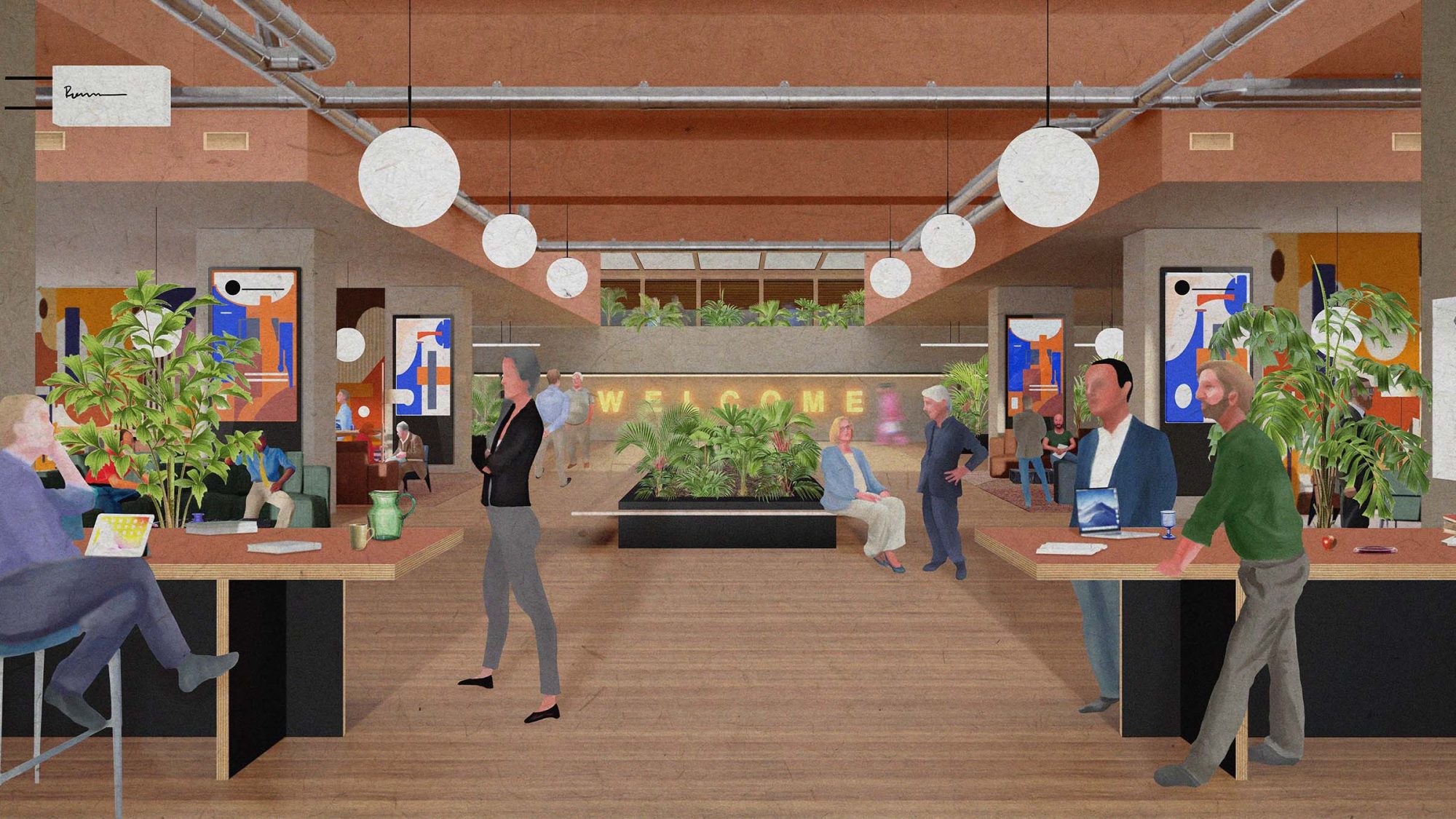
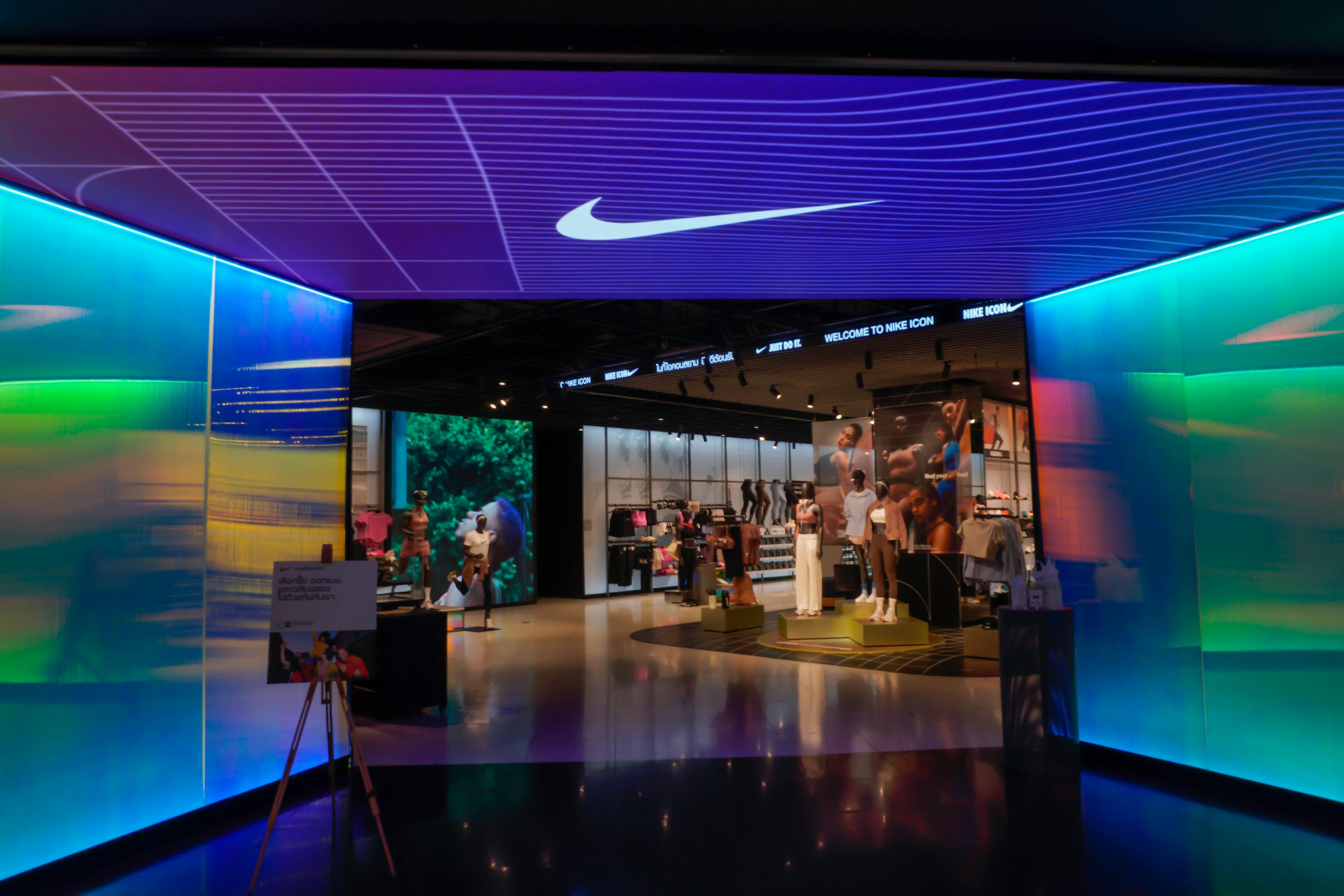
Experience design is about crafting how people feel, navigate, and connect within spaces. It’s where storytelling meets structure—where branding, graphics, and spatial strategy align to create memorable environments. It turns architecture into narrative, signage into guidance, and space into emotion.
Why Experience Design Matters
6
In our increasingly digital lives, physical spaces need to do more than just function. They need to represent, inspire, connect. Here are just a few of the big-ticket benefits:
Stronger brand identity: When your brand is embedded in how a place feels and behaves, it becomes memorable.
Enhanced navigation & accessibility: The journey matters—when wayfinding is logical and beautiful, people feel confident, not lost.
Better user experience: Environments that anticipate human needs (emotional, sensory, and physical) create longer stays, repeat visits and deeper engagement.
Connection to community & culture: Places can tell stories—about heritage, place-making, civic identity or brand values.
Economic impact: Thoughtful experience design can increase dwell time, return visits, and create positive word-of-mouth.
When you walk into a space and think “Yes. This is me” or “Wow. This place gets me” — that is experience design working.
How Experience Design Stands Apart
What Makes Experience Design Different from Other Design Fields
Graphic Design
Traditional graphic design lives primarily in two dimensions—on paper, screens, and digital surfaces. It uses composition, typography, and color to communicate visually, often within static formats like logos, signage, or print collateral. Experience design takes those same foundational principles and brings them into the physical world. It extends beyond the flat plane to consider how people move through and interact with design in real space. Instead of designing for a single moment of visual impact, experience designers choreograph a journey—one that evolves as users approach, enter, and navigate a space. It’s branding you don’t just see—you inhabit it.
Architecture
Architecture defines the form and function of our environments—the structures, materials, and spatial frameworks that give shape to human experience. Experience designers enhance those environments by layering storytelling, branding, graphic design, placemaking, and wayfinding systems in a cohesive vision that improves user experience within the space. Where architecture focuses on how a space stands and functions, experience design focuses on how it feels and connects. Working in close collaboration, architects and experience designers ensure that structural intent and emotional intent align, transforming a space into a cohesive narrative that people understand intuitively and remember long after they leave.
Landscape Design
Landscape design focuses on the planning and design of outdoor spaces, including parks, gardens, campuses, and urban environments, with emphasis on natural elements, plant materials, topography, and sustainable systems. Landscape designers create intersectional pathways for art and science to commingle, forming a rich synergy between a place’s intrinsic natural qualities and its evocative potential. experience graphic design complements landscape design by adding visual communication layers that help people understand, navigate, and engage with these outdoor environments. While landscape designers shape the built environment through plantings, hardscaping, and site planning, experience designers overlay interpretive elements, wayfinding systems, educational graphics, and cultural markers that enhance the user’s understanding and appreciation of the landscape. Together, these disciplines create outdoor spaces and emotional terrains that are both environmentally thoughtful and experientially rich.
Interior Design
Experience design involves interiors but is not limited to them, instead focusing on creating cohesive experiences that function seamlessly across the built environment, both indoors and outdoors. Interior design is dedicated to interior spaces and may include interior decorating, furniture selection, space planning, and material specification. Experience design extends beyond these boundaries to encompass exterior environments, landscapes, campuses, and entire districts, ensuring that visual communication and user experience flow consistently from outside to inside and back again, putting it in close communication with interior design while expanding beyond the indoor environment. Experience design integrated with branded environments works to invigorate interior branding opportunities by working strategically with the values, spirit, and personality of the space at hand.
The Core Principles We Follow at Hi Octane Design
The 5 Core Principles of Experience Design
Build Meaningful Connections — Connect people, place, and purpose.
Balance Form & Function — Good design works as beautifully as it looks.
Meet Human Needs — Create intuitive experiences for real people.
Spatial Storytelling — Let your brand story guide every detail.
Create Memorable Moments — Design emotional impact into your spaces.
In short: where other disciplines may focus on one primary lens (structure, finishes, function), experience design is the connective thread weaving them all into a cohesive human-centred journey.
What This Looks Like in Practice at Hi Octane Design
6
Here are a few typical deliverables where we bring experience design to life:
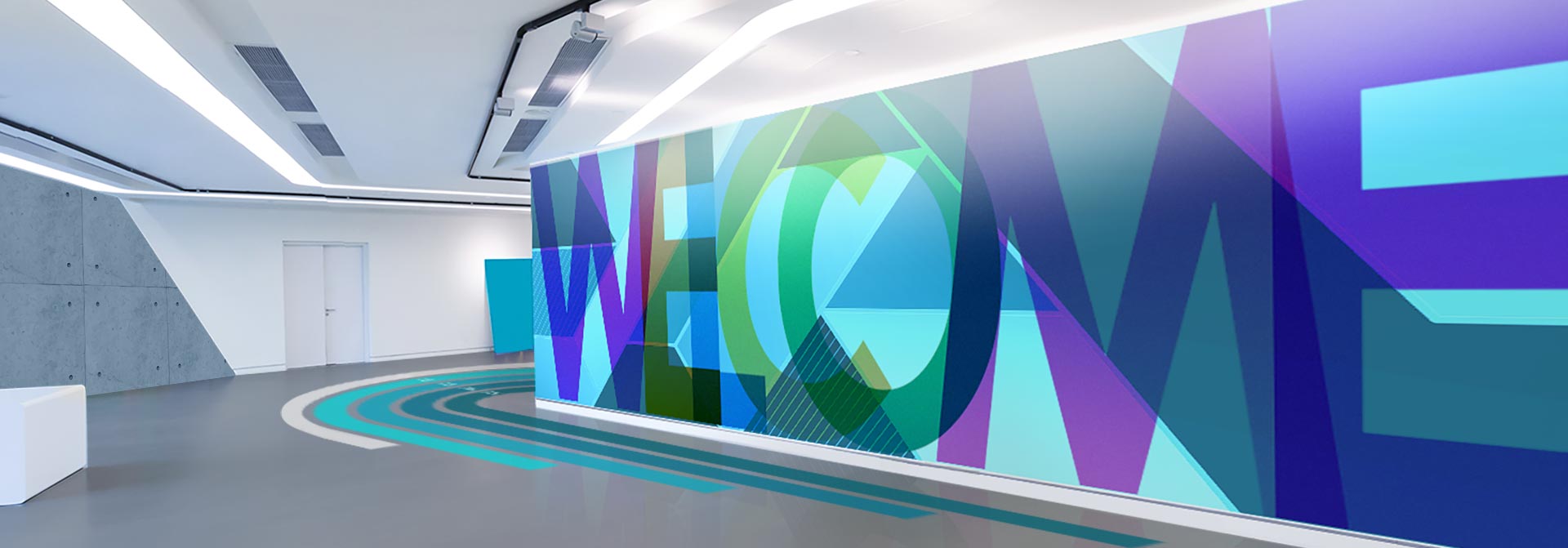
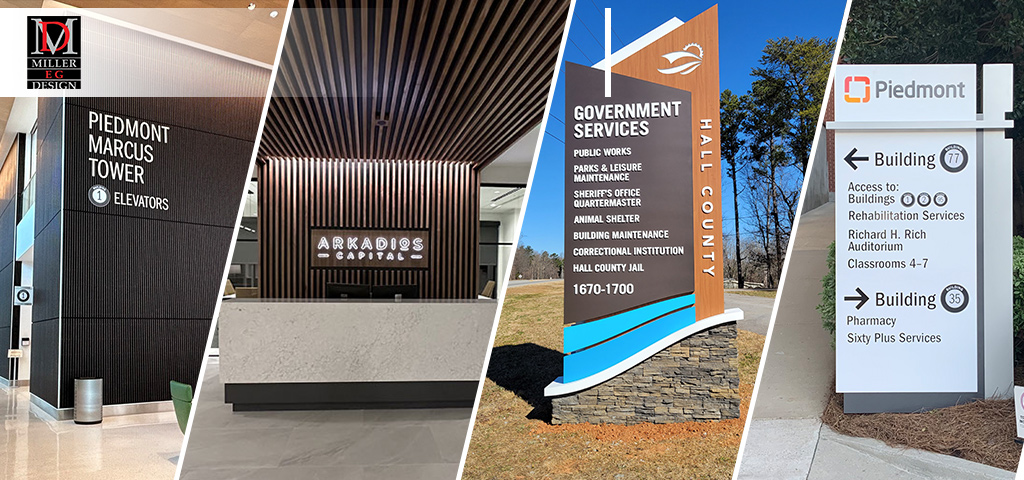
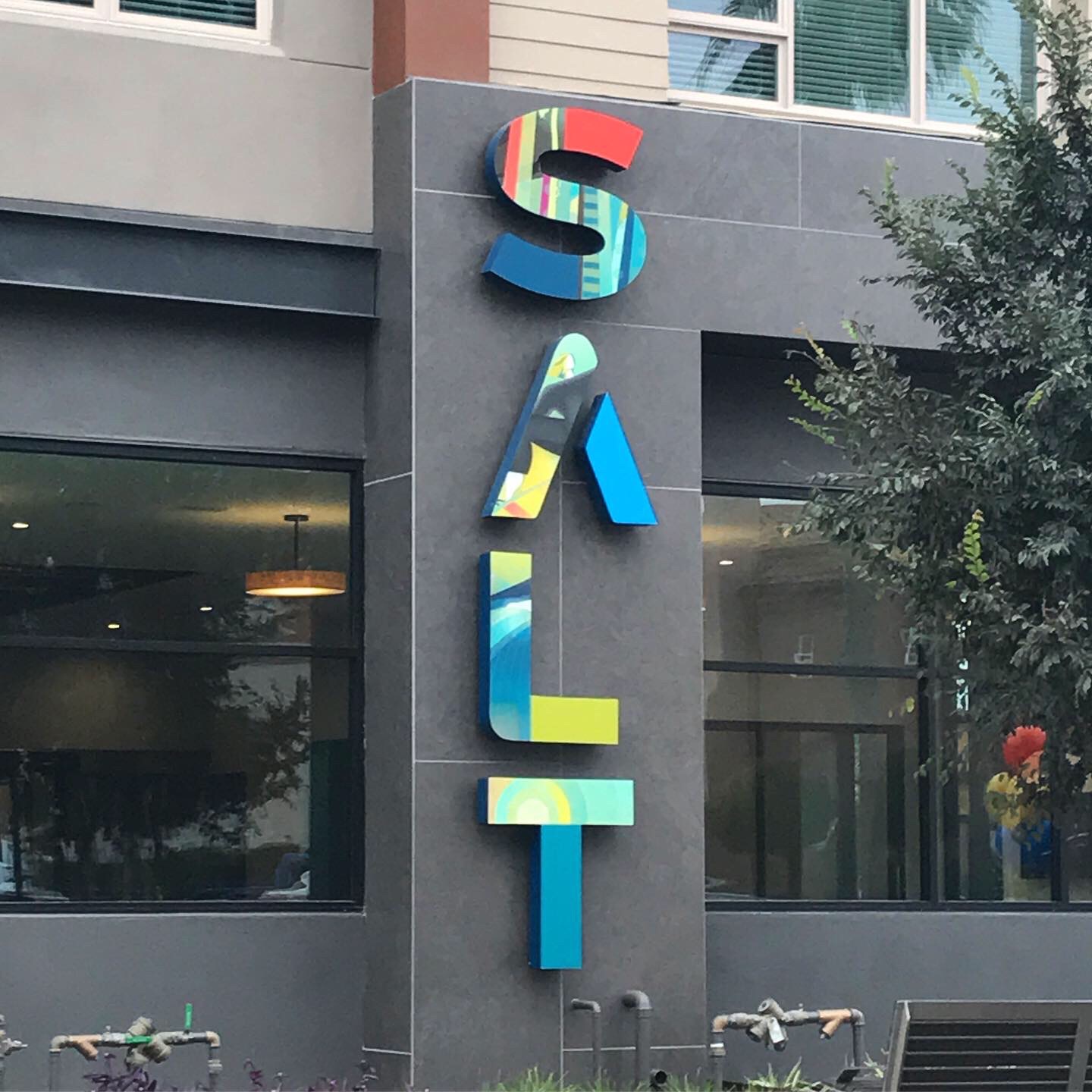
Branding Graphics: Monumental entry features, branded interior wall graphics, identity signage that carry the brand through space—not just on paper.
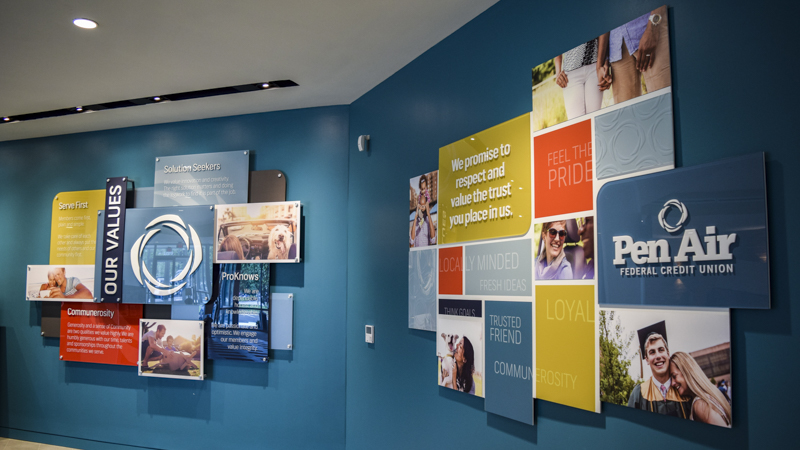
Placemaking Graphics: Historic timelines, donor walls, community graphics, outdoor signage systems that root a space in its story and culture.
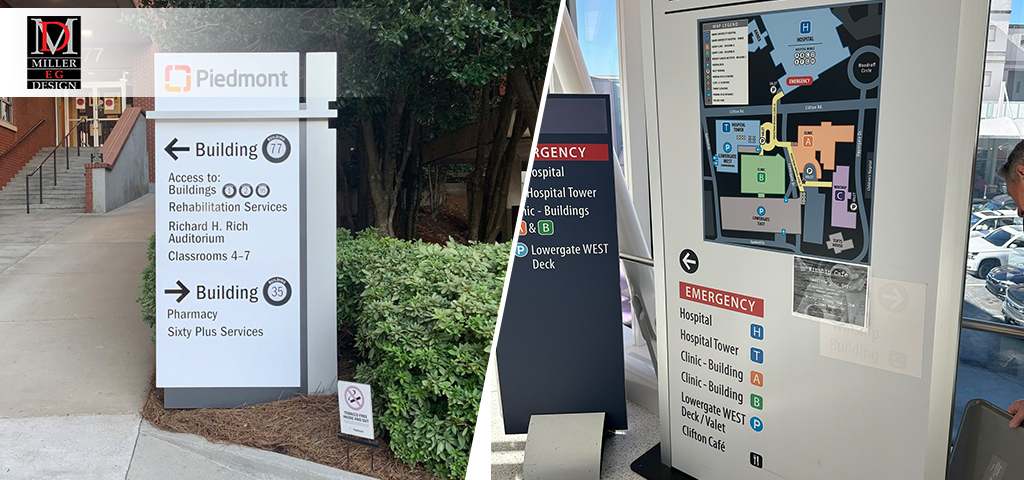
Wayfinding Systems: Strategic signage, directories, vehicular & pedestrian guidance—designed for clarity, speed, and visual harmony.
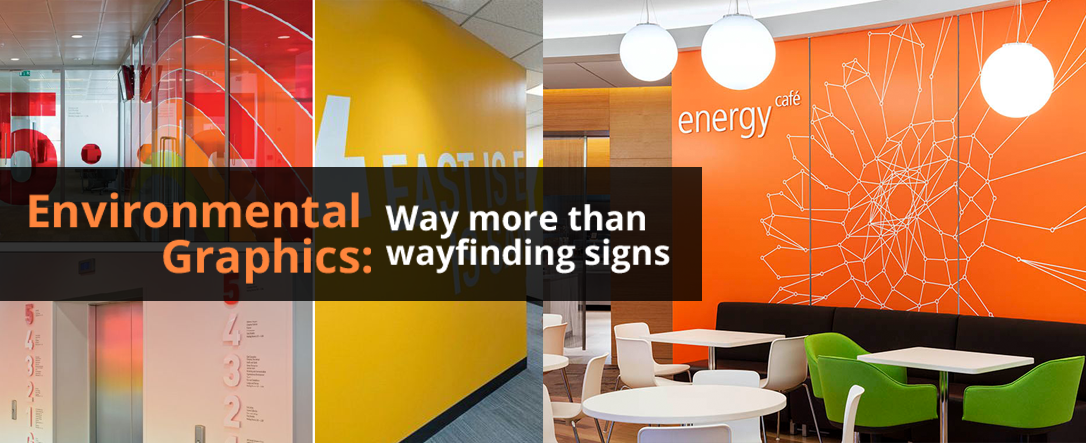
Branded Interiors & Environments: From graphic walls to textured finishes to interactive installations—we create environments where branding is ambient, immersive and layered.
Why You Should Consider Experience Design for Your Next Project
6
Thinking of renovating a lobby, updating your signage, launching a new retail concept, or refreshing your campus environment? Here’s why experience design is worth investing in:
It amplifies your brand beyond the logo—your space becomes the brand.
It helps users feel confident and welcomed—not disoriented or frustrated.
It creates immersive moments people remember and share.
It weaves your story into your physical presence—connecting visitors, employees and community.
Discovery & Strategy: We begin by understanding your brand, audience, environment, goals and challenges.
Narrative & Experience Mapping: We map the user journey (entry to exit) and identify key touch-points for storytelling, signage, spatial graphics and emotion.
Concept Design: We propose visual themes, graphic systems, materials, finishes and interactive elements.
Implementation: Coordinate architecture, interiors, signage fabrication, install/graphics so the design becomes built reality.
Evaluation & Iteration: Post-occupancy insights and adjustments to ensure the experience is performing as intended.
Final Thought
Why It Matters for Your Brand
Spaces are a brand’s biggest stage. When designed intentionally, they become immersive experiences people remember. A well-crafted environment guides, informs, and inspires, building emotional connections between people and place. Experience design brings clarity to complex environments, turns wayfinding into storytelling, and transforms the everyday journey into something meaningful.
About Hi Octane Design
Based in DeLand, Florida, Hi Octane Design creates branded environments that merge graphic design, wayfinding, and experiential storytelling. We help organizations bring their identity to life through bold, intentional design that moves people.
Ready to elevate your environment?
Experience design is not a luxury—it’s increasingly essential. When done well, a space stops being a backdrop and starts being an experience. Let your environment do more: engage, delight, guide, tell, connect.
At Hi Octane Design, we don’t just design signs or graphics—we design spaces you want to be in, brands you want to engage with, and stories people remember.